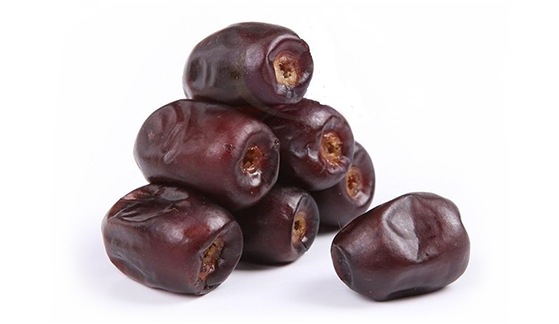
Kurma: the World of Dates and Their Delightful Varieties
Kurma, also known as dates, is a versatile fruit that has been enjoyed for centuries. With their unique flavors and textures, dates have earned a place in kitchens around the world. This article covers the main varieties, what’s in them, how they’re used in cooking, and where their cultural significance comes from.
1. The rich variety of kurma:
Kurma comes in a rich assortment of varieties, each with its own distinct characteristics and flavors. Some popular varieties include:
a. Medjool: Medjool dates are known for their large size, soft texture, and rich, caramel-like flavor. They are often referred to as the “queen of dates” due to their luscious taste and luxurious appeal.
b. Deglet Noor: Deglet Noor dates are semi-dry with a firm texture and a sweet, nutty flavor. They are commonly used in both sweet and savory dishes, making them a versatile choice.
c. Barhi: Barhi dates are small and round with a soft, creamy texture and a mildly sweet flavor. They are often enjoyed fresh and are a popular choice for snacking.
d. Zahidi: Zahidi dates are golden-yellow in color and have a firm texture with a sweet, slightly tangy flavor. They are often used in baking and cooking or enjoyed as a healthy snack.
2. Nutritional profile of kurma:
Kurma is not only delicious but also has a solid nutritional profile. Some of the key facts:
a. Nutritional powerhouse: Dates are rich in essential nutrients such as fiber, potassium, magnesium, and vitamins B6 and K. They provide a natural source of energy.
b. Digestive health: The fiber content in dates promotes healthy digestion and helps prevent constipation. Dates also contain natural sugars, which can provide a gentle energy boost.
c. Antioxidant content: Dates contain antioxidants — including flavonoids and phenolic compounds — as part of their natural nutrient profile.
d. Mineral content: Dates are naturally cholesterol-free and contain potassium and fiber as part of their everyday mineral and nutrient makeup.
3. Culinary uses of kurma:
Kurma’s sweet and rich flavor makes it a versatile ingredient in various culinary creations. Some popular culinary uses of kurma include:
a. Baking: Dates can be used as a natural sweetener and provide moisture and richness to baked goods such as cakes, cookies, and energy bars.
b. Smoothies and shakes: Dates can be blended into smoothies and shakes to add natural sweetness and a creamy texture. They also provide an energy boost.
c. Stuffing and fillings: Dates are often stuffed with ingredients like nuts, cheese, or chocolate to create delightful appetizers or desserts. They can also be used as a filling in pastries and bread.
d. Salad toppings: Chopped or sliced dates add a touch of sweetness and a chewy texture to salads, providing a delightful contrast to other ingredients.
4. Cultural significance and historical roots:
Kurma holds deep cultural significance in various societies around the world. They have been mentioned in ancient texts and religious scriptures, symbolizing abundance, blessings, and celebration. Dates have played a vital role in traditional festivities, religious practices, and culinary traditions across different cultures.
Where to find it:
Kurma covers a wide range of flavors, textures, and traditions in a single family of fruit — from Medjool’s caramel richness to Zahidi’s firm, tangy bite. Whichever variety suits your kitchen, dates are a straightforward way to add natural sweetness and nutrition to daily meals. Browse our Kurma Rotab selection or contact us for bulk pricing.