This article is general information, not medical advice. If you have diabetes, are pregnant, or take regular medicine, talk to your doctor before Ramadan about whether fasting is safe for you and how to eat at iftar and suhoor.
During the holy month of Ramadan, Muslims around the world abstain from food and drink from dawn until sunset. When the fast is broken each evening, the first food is traditionally a few dates, following the practice of the Prophet Muhammad (peace be upon him). Nutrition helps explain why the habit works well: dates are soft, sweet and a quick source of carbohydrate. The health benefits of dates covered below are the ones a real source supports, and we say plainly where the evidence stops. Whether it’s kurma Ajwa, kurma Mariami, or kurma Medjool, each has its own taste and texture, and all of them give quick energy plus some fiber and potassium.
Energy at iftar
Dates are rich in natural sugars like glucose, fructose, and sucrose, which provide a quick energy boost after long hours of fasting. They are a good source of fiber and potassium. Three Medjool dates (about 72 g) give roughly 5 g of fiber and 500 mg of potassium (USDA), about a seventh of the 3,510 mg of potassium a day that WHO recommends for adults.
Dates are still mostly sugar, but their measured glycemic index is low to medium. In a UAE study, five date varieties had GIs of about 44 to 55, in healthy volunteers and in people with type 2 diabetes alike (Alkaabi 2011). So a few dates at iftar raise blood sugar more gently than the same amount of pure glucose.
Breaking the fast with dates is a practice of the Prophet Muhammad (peace be upon him). Anas ibn Malik reported: “The Messenger of Allah (ﷺ) used to break his fast before praying with some fresh dates; but if there were no fresh dates, he had a few dry dates, and if there were no dry dates, he took some mouthfuls of water” (Sunan Abi Dawud 2356, graded hasan sahih by al-Albani). The hadith describes a practice. It does not make a medical claim. From a nutrition point of view, dates are simply an easy first food after a long fast.
Most dates are also soft and small, so a few of them make a light start before the main meal.
Kurma Medjool is about 75% carbohydrate, mostly sugar (USDA), so it is quick energy. A date or two takes the edge off hunger before Maghrib prayer. How alert you feel after iftar depends on the whole meal, sleep and fluids, not on dates alone.
Kurma Ajwa has a GI close to other dates (55.9), but in a Saudi study of 17 varieties it had the lowest glycemic load per serving, 8.5 (AlGeffari 2016). In plain terms, a typical serving of Ajwa raised blood sugar less than most of the others tested. Claims that it prevents tiredness after iftar have not been studied.
Digestion
A common problem during Ramadan is constipation, because meal times and fluid intake change. The NHS lists eating more fibre and drinking plenty of fluids as first steps. In a UK trial, seven dates a day for three weeks increased bowel movements and stool frequency in healthy adults (Eid 2015). Kurma Mariami is a chewy date with fiber like other dates. No study has singled it out as better for digestion.
Potassium and the heart
For the heart, the health benefits of dates come down mainly to potassium. Kurma Medjool has about 696 mg per 100 g (USDA). WHO says low potassium combined with high sodium raises the risk of high blood pressure, and names dates among potassium-rich fruits. That is a reason to include them in a balanced diet. It is not proof that dates lower blood pressure on their own: in a 12-week trial in people with type 2 diabetes, 60 g of dates a day did not change blood pressure (Butler 2022).
Kurma Ajwa contains phenolic acids and flavonoids. A concentrated Ajwa extract reduced heart damage in rats given a toxic cancer drug (Mahmoud 2026). That was an animal study, and no trial in people has shown that eating Ajwa protects the heart.
Blood sugar
A low-to-medium GI only helps if the portion stays small. Three dates is a modest amount of sugar. A bowl of them at iftar, followed by sweet drinks, is a lot.
For people with type 2 diabetes, two trials found that about three dates a day (Alalwan 2020) or 60 g a day (Butler 2022) did not worsen HbA1c, and did not improve it either. We found no study showing that kurma Ajwa or kurma Mariami is better than other dates for blood sugar. If you have diabetes, ask your doctor before Ramadan whether fasting is safe for you and whether your medicine needs adjusting.
What dates don’t do
The brain runs mainly on glucose, and dates supply it. Kurma Medjool also contains some vitamin B6 (about 0.25 mg per 100 g) and magnesium (54 mg) (USDA). Whether eating dates improves concentration has not been tested in people.
Extracts of kurma Ajwa have shown protective and antidepressant-like effects in a mouse study (Asdaq 2025). Nothing like that has been shown in people, so it is not a reason to expect sharper focus at Tarawih.
Fasting can leave gaps in your diet if suhoor and iftar are rushed. Dates do not fill the vitamin gap, though. USDA lists 0 mg of vitamin C in Medjool dates and very little vitamin A (USDA). They have some iron (about 0.9 to 1 mg per 100 g) and a little zinc. Add fresh fruit and vegetables for vitamin C.
Kurma Mariami has potassium like other dates, but it will not rehydrate you. Water does that.
During fasting, the body loses fluid through sweat and breathing. Dates add potassium, but rehydration comes from drinking water and other fluids between iftar and suhoor. Breaking the fast with a few dates and some water follows the Sunnah described above.
Kurma Medjool is soft, but it is still only about 21% water (USDA), so it is not a real source of fluid. Have it with water or milk.
Dates contain small amounts of calcium (39 to 64 mg per 100 g) and magnesium (43 to 54 mg) (USDA). That is too little to do much for bones by itself, and no study links kurma Mariami to bone density. kurma Medjool is often said to ease muscle cramps during fasting because of its magnesium, but we found no study that tested it.
Dates are calorie-dense, about 277 kcal per 100 g for Medjool (USDA), so they add up. Their fiber may help you feel full, and starting iftar with a few dates and water before a big plate is a common way to slow down. Kurma Ajwa is not a low-calorie choice. All dried dates are mostly sugar.
Claims that dates improve skin elasticity or give a natural glow have not been tested in people. Dry skin during Ramadan is mostly about fluid, so drinking enough between iftar and suhoor matters more.
Dates and the Sunnah
Beyond physical health, dates carry deep spiritual significance. Breaking the fast with dates is a Sunnah (Sunan Abi Dawud 2356), and many Muslims eat kurma Ajwa in the morning because of the hadith in Sahih al-Bukhari 5445. For many families the first date at iftar is also a moment of gratitude.
Kurma Ajwa has a special place in Islamic tradition. The Prophet (ﷺ) said: “He who eats seven ‘Ajwa dates every morning, will not be affected by poison or magic on the day he eats them” (Sahih al-Bukhari 5445). That is a religious teaching, not a medical claim, and the lab studies on Ajwa extracts do not test it.
The sweetness of dates also serves as a reminder of the blessings of nourishment and the importance of moderation and appreciation in daily sustenance.
Which variety to pick
The three varieties here are close in nutrition, so the choice comes down to taste, texture and price.
- Kurma Ajwa: Dark, soft and only mildly sweet. It usually costs the most of the three.
- Kurma Mariami: Chewy and less sticky than Medjool. Easy to eat a couple with suhoor.
- Kurma Medjool: Perfect as a dessert or natural sweetener for smoothies and milkshakes.
Buying two or three kinds for the month is mostly about variety on the table. None of them keeps you going through the fast better than the others.
Tips for Ramadan
- Eat 2–3 dates with water to break your fast before proceeding with your meal.
- Include chopped dates in smoothies, porridge, or yogurt at suhoor.
- Use kurma Medjool as a natural sweetener in desserts instead of refined sugar.
- Before Tarawih, a couple of dates is an easy snack if iftar was light.
- Store dates in airtight containers in a cool place to maintain freshness and flavor.
- Purchase from reliable suppliers to ensure quality and authenticity, especially when selecting imported varieties.
In short
The health benefits of dates during Ramadan are real but modest. They are quick energy at iftar, their fiber helps digestion, and they add potassium. Claims about immunity, the brain, skin or hair have no human evidence behind them. Varieties such as kurma Ajwa, kurma Mariami, and kurma Medjool differ mostly in taste and texture, so pick the one you enjoy.
Start iftar with a few dates and water, as the Sunnah describes, then eat a balanced meal. That is the practical advice, and the evidence supports it as far as it goes.
References
- Sunan Abi Dawud 2356 (in-book: Book 14, Hadith 44), sunnah.com/abudawud:2356
- Sahih al-Bukhari 5445 (in-book: Book 70, Hadith 74), sunnah.com/bukhari:5445
- Alkaabi JM et al. Glycemic indices of five varieties of dates in healthy and diabetic subjects. Nutr J. 2011;10:59. PMID 21619670
- AlGeffari MA et al. Glycemic indices, glycemic load and glycemic response for seventeen varieties of dates grown in Saudi Arabia. Ann Saudi Med. 2016;36(6):397-403. PMID 27920411
- Alalwan TA et al. Effects of daily low-dose date consumption on glycemic control, lipid profile, and quality of life in adults with pre- and type 2 diabetes. Nutrients. 2020;12(1):217. PMID 31952131
- Butler AE et al. Effect of date fruit consumption on the glycemic control of patients with type 2 diabetes. Nutrients. 2022;14(17):3491. PMID 36079749
- Eid N et al. Impact of palm date consumption on microbiota growth and large intestinal health. Br J Nutr. 2015;114(8):1226-36. PMID 26428278
- Mahmoud HS et al. Ajwa dates extract mitigates methotrexate-induced cardiotoxicity in rats. Tissue Cell. 2026;102:103610. PMID 42155538
- Asdaq SMB et al. Potential neuroprotective and antidepressant effects of Ajwa date extract in an animal model of chronic mild stress. Sci Rep. 2025;15:39641. PMID 41224947
- USDA FoodData Central: Dates, medjool (FDC 168191); Dates, deglet noor (FDC 171726)
- WHO: WHO issues new guidance on dietary salt and potassium (2013)
- NHS: Constipation
1. Natural Sweetener for Clean-Label Product
Health-conscious consumers are actively moving away from refined sugar, and this has opened a major opportunity for dates in modern food. The fruit offers natural sweetness without chemical additives, aligning with the clean-label trend. Many suppliers are now noticing higher demand from manufacturers looking for healthier sweetening alternatives that retain flavor and nutritional benefits. By providing a natural balance of glucose and fructose, dates ensure energy without the crash often associated with artificial sweeteners. This makes them appealing in bakery, snacks, and ready-to-eat meals.
2. A Rich Source of Fiber for Digestive Health

Beyond sweetness, dates deliver significant amounts of dietary fiber, which is a cornerstone of modern functional foods. Fiber promotes digestion, supports gut health, and helps maintain satiety, which is important for managing weight. In functional diets, where ingredients must serve more than one purpose, dates tick the box for flavor and nutrition. By highlighting their fiber content, dates suppliers can position this fruit as a valuable addition to health-focused recipes.
3. Natural Energy Booster in Functional Diets
Energy is one of the strongest selling points for dates. Athletes, busy professionals, and even schoolchildren benefit from quick, natural fuel. The sugars in dates are rapidly digested, providing instant energy, while the fiber helps sustain it. For this reason, many functional bars, sports drinks, and energy bites now feature dates. By offering product developers consistent and high-quality date paste or syrups, suppliers can directly tap into the booming health and fitness market.
4. Plant-Based Ingredient for Vegan Innovation

The rise of plant-based eating has created new opportunities for dates in modern food. Dates are vegan-friendly, nutrient-rich, and versatile. They serve as binders in plant-based protein bars, natural sweeteners in dairy alternatives, and even texture enhancers in meat substitutes. For dates suppliers, positioning dates as a core plant-based ingredient ensures visibility in one of the fastest-growing food categories.
5. A Flavor Bridge Between Tradition and Modernity
Dates hold cultural and historical significance, but they are increasingly used in innovative recipes that bring tradition into the modern food space. Chefs and manufacturers are incorporating them into sauces, marinades, baked goods, and even beverages. This dual role—traditional staple and modern ingredient—makes dates particularly valuable. Dates suppliers can use this narrative to market their products as both authentic and contemporary.
6. Functional Role in Weight Management Foods
As part of balanced diets, dates can satisfy cravings for sweetness while delivering nutrients and fiber. This makes them an attractive addition to foods aimed at weight-conscious consumers. By offering a feeling of fullness and reducing the need for artificial sweeteners, dates contribute to healthier snacking. For suppliers, this association with weight management creates strong positioning in functional diet markets.
7. Antioxidant Benefits for Long-Term Wellness
Modern consumers often look for ingredients that support overall health, not just immediate needs. Dates provide antioxidants such as flavonoids and carotenoids, which combat oxidative stress. This aligns perfectly with the functional food movement, where ingredients are valued for their contribution to long-term well-being. By promoting antioxidant content, suppliers can strengthen the appeal of dates as an essential part of healthy diets.
8. Innovation in Beverages and Smoothies
Dates are moving beyond the snack aisle and into beverages. Natural date syrups are now used in smoothies, juices, and even functional waters. Their ability to add sweetness while preserving nutritional value makes them attractive in this fast-growing category. Dates suppliers offering processed formats like concentrates can capture opportunities in beverage innovation.
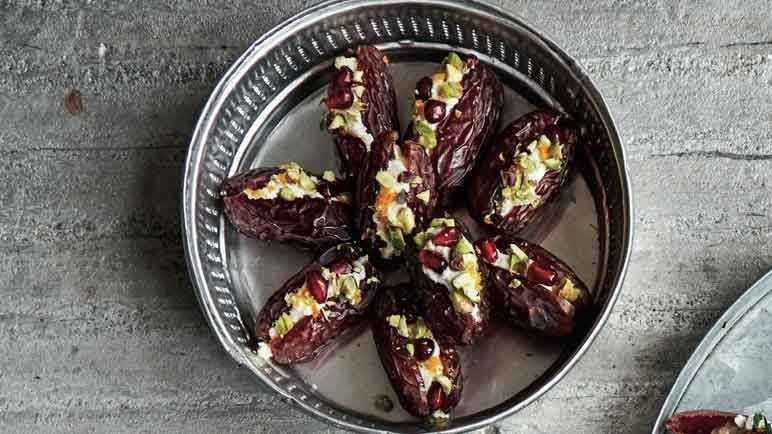
9. Gluten-Free Applications in Baked Goods
In the bakery sector, dates are becoming popular in gluten-free and allergen-friendly products. They add moisture, sweetness, and binding properties to recipes that otherwise risk being dry or flavorless. By promoting dates as a gluten-free friendly ingredient, suppliers can engage directly with bakeries and brands catering to sensitive diets.
10. Expanding Role in Dairy Alternatives
Plant-based dairy products such as almond milk, oat milk, and coconut yogurt are using dates as a natural sweetener. This provides an edge over competitors using processed sugars. The addition of dates not only enhances taste but also adds nutritional depth, making the products more appealing to health-conscious buyers. For dates suppliers, this represents a significant opportunity to partner with dairy alternative manufacturers.
11. Meeting Consumer Demand for Transparency
Modern consumers want to know the origin and purpose of every ingredient. Dates, with their long-standing history and natural cultivation, offer a strong story that fits into this demand. By emphasizing transparency in sourcing and handling, suppliers can position themselves as reliable partners. This storytelling enhances the marketability of dates as a trusted component of modern food systems.
12. Functional Role in Immune-Support Foods

With growing awareness of immunity, especially after global health challenges, foods that support immune health are in demand. Dates contain essential minerals and vitamins that contribute to the immune system. Highlighting these benefits in functional foods and marketing materials can open new pathways for dates suppliers targeting wellness-focused consumers.
13. Convenience as Ready-to-Eat Functional Snacks
Dates are naturally portable, require no preparation, and have a long shelf life. This makes them convenient for consumers who want healthy snacks on the go. Pre-packed dates, stuffed varieties, or blended snack packs are gaining popularity. Suppliers who provide bulk solutions for these convenient snack formats are likely to find new growth opportunities in modern retail and e-commerce.
14. Sweetness and Balance in Culinary Applications
Dates are not limited to sweet dishes. They balance savory flavors in stews, curries, and marinades. This versatility expands their role in food service and home cooking alike. For dates suppliers, marketing this multi-functional use case makes the fruit more attractive to chefs, restaurants, and innovative brands exploring flavor diversity.

15. Supporting Sustainability in Food Systems
Dates grow well in arid regions with relatively low water requirements compared to many other fruit crops. This aligns them with sustainability-focused agriculture. Highlighting eco-friendly benefits can position dates as part of sustainable food systems, which is a growing consumer expectation. By doing so, suppliers can connect with environmentally conscious buyers and strengthen their reputation.
16. Premium Varieties Elevating the Market
Different varieties of dates bring different characteristics to modern food applications. For example, kurma medjool malaysia is prized for its large size and rich caramel-like taste, making it ideal for premium snacks. Similarly, kurma ajwa aliyah is valued for its unique flavor and cultural significance. By offering a variety of types, suppliers can serve diverse markets ranging from everyday consumers to high-end retailers.
17. Opportunities for Wholesalers in Global Markets
The rise of functional and health-focused diets has expanded international demand for dates. For a dates wholesaler malaysia, the opportunity lies in connecting with manufacturers, retailers, and food innovators worldwide. With proper handling, packaging, and marketing, wholesalers can meet demand both locally and abroad, establishing themselves as essential players in the global food supply chain.
18. Enhanced Shelf Life for Long-Term Storage

Dates naturally have a longer shelf life compared to many fruits, especially when stored properly. This makes them attractive in modern food systems that prioritize reduced waste and efficient distribution. Suppliers who emphasize shelf stability can appeal to businesses that need reliable ingredients with lower risk of spoilage.
19. Cultural Appeal Blended with Modern Trends
Cultural significance remains a powerful driver for dates, especially during festivals and special occasions. However, when blended with modern food applications, they gain a wider reach. Suppliers who combine cultural storytelling with modern functionality can capture a broader consumer base.
Conclusion:
The growing presence of dates in modern food highlights their unique role as a natural, versatile, and sustainable ingredient. They are no longer viewed only as traditional fruits but as multifunctional ingredients that meet the demands of health-focused diets, functional food innovation, and eco-conscious consumption. As someone reflecting on their potential, it’s inspiring to see how a fruit rooted in history can adapt to modern needs while still retaining its authenticity. For dates suppliers, embracing this shift means stepping into a future where dates are at the center of both cultural tradition and global food innovation.
Kurma Safawi Malaysia shows up on price lists at a noticeably wider range than everyday varieties, and that gap confuses a lot of first-time buyers. It isn’t random. Safawi is grown mainly around Madinah, and the price you see reflects grade, size, and how it was handled after harvest — not just brand markup. Knowing what to look for helps you tell a fair price from an overpriced one.
What actually drives the price difference
Safawi ripens to a very dark, almost black colour with a glossy skin — that’s a normal sign of full ripeness for this variety, not a defect. What separates a higher grade from a lower one at the same listing is mostly size and uniformity: larger, evenly sized fruit with intact skin costs more than a mixed batch with smaller or slightly broken pieces. Both are the same variety; one just sorts better.
Texture matters too. Well-handled Safawi is soft but holds its shape — chewy rather than sticky or mushy. If a listing is priced low for the grade claimed, ask how it was stored; dates that sat too long in heat or humidity soften unevenly and lose the texture buyers pay for.
Reading a listing before you buy
A few questions are worth asking before committing to any Safawi listing, whether you’re buying a small pack or ordering borong quantities:
- Is the origin stated (Madinah is the benchmark) or just “imported”?
- Does the price match a specific grade/size, or is it a vague “premium” label?
- Is it sold loose by weight or pre-packed — loose usually costs less but you can’t inspect it before it arrives.
Our guide on how to read a kurma price list before buying goes through this in more detail if you’re comparing several listings at once.
Storage after purchase
Safawi keeps well because of its natural sugar content, but “keeps well” isn’t the same as “keeps forever at room temperature.” Once opened, a sealed container in the fridge holds the texture far longer than leaving the pack open on a counter. If you bought in bulk for gifting or resale, split it into smaller sealed batches rather than opening the whole box at once — it dries out from the outside in once air gets to it.
Buying borong versus retail
Retail packs are convenient but carry a per-kilogram premium for the packaging and smaller batch size. Borong (bulk) buying brings the per-kilogram cost down, but only makes sense if you have somewhere cool and dry to store it, or a customer base to move it through before quality drops. For a fuller breakdown of what borong pricing typically includes and when it’s worth it, see our 2026 borong price guide.
Safawi earns its place on the pricier end of the shelf through grade and handling, not marketing. Check the origin, ask what grade you’re actually paying for, and store it properly once it’s home — that’s what makes the price worth it.
The air is filled with a distinct energy during festive seasons. It’s a time of gathering, reflection, and, most importantly, sharing food that carries meaning. On tables around the world, a humble fruit often takes center stage: the date. For generations, certain well-known varieties have dominated these occasions. But recently, a new contender has been capturing hearts and palates, emerging as a sought-after delicacy. Malaysian dates, or Kurma Malaysia, are steadily gaining remarkable attention during these special times. The question is, why? What is it about this particular fruit that resonates so deeply with the spirit of celebration?
The answer lies in a beautiful blend of taste, tradition, and thoughtful cultivation. It’s not just about adding another option to the fruit bowl; it’s about the experience these dates offer. They represent a combination of superior quality, a unique flavor profile that stands out, and a story that aligns perfectly with the values of festivity. This growing popularity is a testament to a shift in consumer preferences towards products that are not only delicious but also embody a sense of authenticity and wellness. People are increasingly looking for foods that tell a story, that are grown with care, and that contribute positively to their health. Malaysian dates check all these boxes, making them a natural fit for times when people want to offer the very best to their loved ones.
One of the most immediate reasons for the rise of Malaysian dates is their exceptional and diverse taste. Unlike some commercial varieties that can be uniformly sweet, these dates often present a more complex flavor journey. Imagine a fruit that offers an initial rich, honey-like sweetness that then gives way to subtle caramel notes, all with a wonderfully soft and moist texture that melts in the mouth. This complexity makes them a memorable eating experience. During festive seasons, food is more than sustenance; it’s a sensory event. Serving a date that surprises and delights guests with its depth of flavor elevates the entire dining experience. It becomes a conversation starter, a small luxury that signifies the importance of the occasion. The careful processing and packaging ensure they arrive in their perfect state, looking as exquisite as they taste, which is crucial when presenting food to guests.
Furthermore, the cultural and symbolic significance of dates is universal during many festivals, particularly those observed by Muslim communities worldwide. The act of breaking a fast with a date is a centuries-old tradition rooted in profound religious teachings. It provides a quick source of natural energy and prepares the digestive system for a meal. While this tradition is sacred and unchanging, the choice of date variety is where personal preference and discovery come into play. Malaysian dates have entered this space as a premium, high-quality choice for this significant daily moment. Their natural sweetness and nutritional profile make them an ideal food for suhoor and iftar, aligning perfectly with the tradition’s health wisdom. Choosing them becomes a way to honor the tradition while also indulging in a product of exceptional quality, making the ritual even more special.
Health consciousness is a growing global trend, and festive seasons are no longer an excuse to abandon well-being goals entirely. People seek out celebratory foods that are both indulgent and nutritious. This is another area where Malaysian dates truly excel. They are a powerhouse of natural nutrition. They are packed with dietary fiber, which aids digestion—a welcome benefit during times of feasting. They are a rich source of essential minerals like potassium, magnesium, and copper, and provide a wide array of antioxidants that help combat oxidative stress in the body. Their natural sugars provide a sustained energy release, preventing the sharp spikes and crashes associated with refined sugars. Consequently, they are perceived not as an empty-calorie sweet treat but as a beneficial addition to one’s diet. This allows individuals to partake in the festive indulgence without compromise, enjoying sweetness that contributes to their health.
The story behind the fruit also matters immensely to modern consumers. There is a growing appreciation for products that are locally sourced, sustainably grown, and support local economies. The Malaysian date industry, though younger than its counterparts in the Middle East, has invested heavily in advanced agricultural technology and sustainable farming practices. This commitment to quality from blossom to box ensures a superior product. When people choose these dates, they are not just buying a fruit; they are often supporting a story of agricultural innovation and dedication. This narrative of quality and care adds an extra layer of value, making the dates a more thoughtful and meaningful gift or offering during a festival. It shows that consideration has been put into the selection, choosing a product with integrity.
Finally, the element of novelty and exclusivity plays a role. Festive seasons are a time for sharing something special, something that might not be part of the everyday. For many, Malaysian dates still represent a novel discovery—a premium product that is not yet available on every supermarket shelf. Offering them to guests signifies effort and a desire to provide a unique experience. It moves beyond the ordinary and into the realm of the extraordinary. This sense of offering something exclusive and new makes them a perfect fit for festive gifting and celebration, allowing hosts to express their care and respect for their guests in a tangible, delicious way.
In conclusion, the rising attention for Malaysian dates during festive seasons is no accident. It is the result of a perfect alignment between their inherent qualities and the desires of the modern celebrant. They offer a unique and complex taste experience, uphold and enhance cultural traditions, provide significant health benefits, and carry a story of quality and innovation. They have successfully positioned themselves not just as an alternative, but as a premium choice for those who wish to celebrate with intention, offering the best of nature’s bounty to their family, friends, and themselves.
The dates market continues to grow globally, with increasing demand for high-quality products. For businesses looking to secure their supply while maximizing profits, purchasing kurma borong (wholesale dates) presents an excellent opportunity. This approach offers numerous advantages that can help enterprises scale efficiently while maintaining product quality.
One of the primary benefits of buying dates in bulk is the significant cost reduction. When purchasing larger quantities, businesses typically enjoy lower per-unit prices compared to retail buying. This pricing advantage allows companies to either increase their profit margins or offer more competitive prices to their customers. The savings become particularly noticeable when dealing with premium date varieties that normally carry higher price tags in smaller quantities.
Beyond financial benefits, bulk purchasing ensures consistent supply availability. Seasonal fluctuations and unexpected demand surges can create challenges for businesses relying on smaller, frequent orders. By securing substantial quantities through wholesale dates, companies can maintain steady inventory levels throughout the year. This reliability translates to better customer satisfaction as businesses can fulfill orders without delays or stockouts.
Quality control becomes more manageable with bulk purchases. Reputable suppliers often provide better quality assurance for large orders, including more rigorous sorting and packaging standards. Businesses can request specific quality grades and receive more uniform products when ordering in volume. This consistency is crucial for maintaining brand reputation, especially for companies that process dates into other products or repackage them for retail.
The logistics of handling bulk dates also offers advantages. Fewer but larger shipments mean reduced shipping costs per unit and simplified inventory management. Many suppliers offer customized packaging solutions for wholesale clients, allowing businesses to receive dates in formats that best suit their operations, whether that’s large containers for processing facilities or pre-sorted boxes for distribution centers.
Storage considerations do require attention when dealing with bulk quantities. Proper storage facilities with controlled temperature and humidity levels help maintain date quality over extended periods. However, the extended shelf life of dates makes them particularly suitable for bulk purchasing compared to more perishable food items. With appropriate storage conditions, businesses can preserve the quality of their inventory for months without significant degradation.
Market differentiation becomes possible through bulk purchasing strategies. Businesses can secure exclusive varieties or grades that might be unavailable to smaller buyers, creating unique product offerings for their customers. Some suppliers may even offer private labeling options for large-volume clients, enabling businesses to establish their own brand identity in the marketplace.
Building strong relationships with suppliers is another advantage of the bulk kurma approach. Regular large orders position buyers as valuable clients, often resulting in better service, priority during high-demand periods, and access to special deals or new products. These relationships can become strategic assets as businesses grow and require more sophisticated supply chain solutions.
For businesses involved in date processing or manufacturing date-based products, bulk purchasing is practically essential. The consistent quality and volume provided by wholesale suppliers allow for standardized production processes and reliable output. Whether producing date paste, syrups, or incorporated foods, having a steady supply of raw materials ensures manufacturing efficiency.
The environmental impact of bulk purchasing shouldn’t be overlooked. Larger shipments typically mean less packaging waste per unit and reduced transportation emissions compared to multiple smaller deliveries. Businesses focused on sustainability can leverage this aspect in their marketing and corporate responsibility initiatives.
Financial planning benefits from the predictability of bulk purchases. While the initial outlay may be higher, the known costs help with budgeting and cash flow management. Some suppliers offer flexible payment terms for established wholesale clients, further easing financial pressure.
Market responsiveness improves with bulk inventory on hand. Businesses can quickly capitalize on emerging trends or unexpected demand spikes without waiting for new shipments. This agility can be crucial in competitive markets where being first to meet new demands creates significant advantages.
Key Points:
- Significant cost savings through lower per-unit pricing
- Reliable supply chain with consistent availability
- Enhanced quality control and product uniformity
- Logistics efficiencies in shipping and handling
- Opportunities for market differentiation
- Stronger supplier relationships and benefits
- Essential for processing and manufacturing needs
- Environmental benefits through reduced packaging and shipping
- Improved financial planning and budgeting
- Greater market responsiveness to demand changes
Purchasing dates online offers convenience and access to global markets, but ensuring fair pricing without compromising quality can be challenging. For suppliers, getting the best harga kurma online requires a strategic approach that balances cost, quality, and reliability. Here’s how buyers can navigate the digital marketplace to secure premium dates at competitive prices.
Understanding Pricing Factors
The first step in securing fair price of kurma online is understanding what influences date pricing. Factors such as origin, variety, harvest season, and global demand all play a role. For example, premium varieties like Medjool or Ajwa typically command higher prices due to their limited supply and superior quality. Seasonal fluctuations also affect costs—dates are often more affordable right after harvest when supply is abundant. By tracking these trends, buyers can time their purchases to secure better deals.
Verifying Supplier Credibility
Not all online sellers maintain the same standards. To avoid subpar products, buyers should research suppliers thoroughly. Look for detailed product descriptions, transparent sourcing information, and customer reviews. Reputable sellers often provide certifications such as halal, organic, or food safety compliance, which indicate adherence to quality standards. Direct communication with suppliers can also reveal their expertise and willingness to provide samples before bulk purchases.
Comparing Multiple Platforms
Prices can vary significantly across different online marketplaces. Checking multiple platforms—such as B2B trade sites, wholesale marketplaces, and direct supplier websites—helps buyers identify the most competitive price of kurma online. Some platforms offer bulk discounts or seasonal promotions, making them ideal for large-quantity orders. However, the cheapest option isn’t always the best. Buyers should prioritize suppliers with a proven track record of delivering fresh, well-packaged dates.
Assessing Packaging and Shipping
Freshness is critical when buying dates online. Proper packaging ensures the product arrives in optimal condition. Look for suppliers who use vacuum-sealed bags, moisture-resistant materials, or temperature-controlled shipping for premium varieties. Shipping duration and methods also matter—express shipping may cost more but reduces the risk of spoilage during transit. Buyers should clarify return policies in case the product arrives damaged or below expected quality.
Negotiating for Bulk Purchases
Many online suppliers are open to negotiation, especially for bulk orders. Establishing long-term relationships can lead to better pricing and exclusive deals. Buyers should inquire about tiered pricing, where larger quantities result in lower per-unit costs. Some suppliers also offer discounts for repeat orders or prepayment arrangements. However, price shouldn’t be the only consideration. Consistency in quality and reliability in delivery are equally important for maintaining a reputable supply chain.
Checking for Hidden Costs
The listed prices of kurma online might not include additional fees such as shipping, taxes, or customs duties. Buyers should request a full cost breakdown before finalizing purchases to avoid unexpected expenses. Some suppliers offer free shipping for orders above a certain value, which can significantly reduce overall costs. Comparing total landed costs—rather than just the product price—helps in making informed decisions.
Prioritizing Seasonal Buying
Purchasing dates during peak harvest seasons can lead to substantial savings. For example, buying Medjool dates right after the autumn harvest often yields better prices and fresher stock. Suppliers are more likely to offer discounts when they have abundant inventory. Conversely, off-season purchases may come with higher price tags due to limited availability. Staying informed about harvest cycles for different varieties ensures buyers get the best value.
Leveraging Technology for Quality Assurance
Some online platforms now offer advanced quality verification tools, such as third-party lab test results or real-time shipment tracking. These features help buyers verify product authenticity and monitor freshness throughout transit. Suppliers who invest in such transparency measures are generally more reliable, even if their prices are slightly higher.
Building a Network of Trusted Suppliers
Relying on a single supplier can be risky. Diversifying sources ensures buyers always have access to fair costs of kurma online while minimizing disruptions. Joining trade forums or industry groups can provide insights into reputable suppliers and emerging market trends. Over time, maintaining strong relationships with multiple vendors creates a safety net for consistent quality and pricing.
Final Thoughts
Securing fair pricing for online date purchases requires research, negotiation, and attention to detail. By understanding market dynamics, verifying supplier credibility, and optimizing order timing, buyers can obtain premium-quality dates without overpaying. The key is balancing cost with quality—ensuring that every transaction supports long-term business growth.
Key Takeaways
- Monitor seasonal trends to buy dates at the best prices.
- Verify supplier credibility through reviews, certifications, and samples.
- Compare multiple platforms to find competitive harga kurma online.
- Prioritize suppliers with secure packaging and reliable shipping.
- Negotiate bulk discounts while maintaining quality standards.
- Account for hidden costs like shipping and taxes in the total price.
- Purchase during harvest seasons for fresher stock and better deals.
- Use technology to verify quality and track shipments.
- Diversify suppliers to ensure consistent access to fair pricing.
When exploring premium dates from North Africa, kurma Tunisia consistently stands out for two remarkable qualities: its balanced sweetness and impressive shelf life. These characteristics make Tunisian dates particularly valuable for suppliers looking to offer high-quality products with excellent market longevity. But what exactly gives these dates their distinctive edge over neighboring regional varieties?
The exceptional sweetness of kurma Tunisia stems from a perfect combination of climate and cultivation techniques. The country’s Mediterranean climate, with hot summers and mild winters, provides ideal conditions for date palms to produce fruit with concentrated natural sugars. Unlike dates from purely desert climates that can sometimes develop overly intense sweetness, Tunisian dates achieve a more balanced flavor profile. The result is a caramel-like sweetness with subtle floral undertones that appeals to a wide range of palates without being cloying.
What truly sets kurma Tunisia apart is how this sweetness develops naturally. Many date-growing regions rely on artificial ripening methods to enhance sugar content, but Tunisian dates typically ripen fully on the palm. This natural process allows for more complex flavor development and better preservation of the fruit’s nutritional value. Suppliers appreciate that this authentic ripening process means fewer quality variations between batches, ensuring consistent product standards.
The impressive shelf life of kurma Tunisia comes from several factors working in harmony. First, the country’s relatively low humidity compared to coastal date-growing regions means the fruits naturally retain less surface moisture. This creates dates that are less prone to mold and fermentation during storage and transport. Second, traditional curing methods perfected over generations help stabilize the dates’ moisture content without compromising texture or taste.
Compared to other North African varieties, kurma Tunisia often shows better resistance to crystallization and hardening over time. While dates from some neighboring countries can become unpleasantly hard or develop sugar blooms during storage, properly handled Tunisian dates maintain their pliable texture for extended periods. This makes them particularly valuable for suppliers serving markets with longer distribution chains or seasonal demand fluctuations.
The natural protective qualities of kurma Tunisia’s skin contribute significantly to its shelf stability. The slightly thicker epidermis that develops in Tunisia’s climate acts as a natural barrier against moisture loss and contamination. This built-in protection means the dates require less chemical treatment or artificial preservation methods to maintain quality, aligning well with growing consumer demand for clean-label products.
Nutritionally, kurma Tunisia offers the same benefits as other high-quality dates but with some distinct advantages. The balanced sugar profile provides sustained energy release rather than sugar spikes, making it popular among health-conscious consumers. The natural preservation of antioxidants and minerals during the ripening process enhances its nutritional value compared to dates that undergo more aggressive processing methods.
For suppliers, understanding these unique qualities of kurma Tunisia helps in making informed sourcing decisions. When comparing samples from different origins, pay attention to the skin texture, moisture content, and sugar crystallization patterns. Authentic Tunisian dates will typically show uniform color distribution, a smooth but not sticky surface, and consistent size within varieties. These visual cues can help identify truly premium product.
Market trends increasingly favor kurma Tunisia’s particular combination of qualities. The growing demand for naturally sweetened products makes these dates ideal for healthy snack formulations. Their extended shelf life reduces waste in the supply chain, appealing to cost-conscious buyers. And their consistent quality makes them reliable products for building brand loyalty in competitive markets.
Key Takeaways
- Tunisian dates offer balanced sweetness with subtle floral notes
- Natural ripening on the palm enhances flavor complexity
- Lower humidity conditions contribute to extended shelf life
- Thicker natural skin provides protection during storage
- Resists crystallization better than some regional varieties
- Requires fewer preservatives due to natural stability
- Nutritional benefits preserved through gentle processing
- Growing market demand for its reliable quality
For date suppliers seeking premium North African products, kurma Tunisia represents an excellent balance of taste, quality, and practicality. Its unique combination of sweetness and shelf stability makes it a versatile option for various market segments, from health food stores to gourmet retailers. By understanding and communicating these distinctive qualities, suppliers can effectively position Tunisian dates as a premium choice in their product lineup.
How to Spot Good-Quality Yet Affordable Dates
Finding kurma murah (affordable dates) that are also high in quality can feel like a challenge. With so many options on the market—varying in size, type, appearance, and price—buyers often wonder whether a lower price means sacrificing taste or freshness. Fortunately, knowing what to look for can help consumers make informed choices, ensuring they enjoy sweet, fresh, and nutrient-packed dates without overpaying.
This guide offers a deep dive into how to identify truly good-quality yet affordable dates. Whether you’re buying for personal use, retail, or wholesale, these tips will help you find the best deals without compromising on what really matters.
Understand the Variety Before You Buy
One of the first steps to identifying kurma murah that still offer quality is understanding the different types of dates. Each variety has its own texture, sweetness level, and shelf life. Some common types include soft, semi-dry, and dry dates. While premium types often fetch a higher price, some lesser-known varieties provide similar benefits at a lower cost.
For instance, semi-dry dates typically offer longer shelf life and are more affordable than ultra-soft varieties. Buyers can take advantage of this by choosing less trendy but equally nutritious types. Understanding the origin and variety can lead to smarter, more economical choices.
Check for Natural Appearance
When shopping for kurma murah, appearance is key. High-quality dates should have smooth, slightly wrinkled skin, indicating they have been properly dried and stored. Avoid dates that look overly shiny, as they may be coated with glucose syrup or oil to enhance visual appeal—often a red flag for added sugars or artificial processing.
Uniformity in size, color, and texture also hints at good harvesting and sorting practices. In contrast, blemishes, mold, or crystallized sugar on the surface suggest poor storage or outdated stock. Affordable does not mean compromised; visual inspection should still meet basic quality standards.
Feel the Texture
Touch plays an important role in determining freshness. Good-quality dates should feel slightly sticky and soft, not dry or overly hard. When you gently press on the fruit, it should bounce back slightly and not crumble. This is an easy way to check moisture levels and freshness without even tasting.
Kurma murah can still meet these standards if sourced properly. The trick is to avoid dates that are too dry (they’ve likely been sitting for a long time) or too wet (possible signs of spoilage). The right texture is somewhere in between: moist, tender, and chewy.
Taste Test Matters
If possible, taste-testing is the most direct method to evaluate dates. Good kurma murah should have a balanced sweetness, not overpowering sugariness or a fermented taste. Some affordable varieties have subtle flavor notes like caramel, honey, or molasses, which are excellent signs of naturally ripened dates.
Even if you’re buying online or in bulk, many reliable sellers offer sample packs. Taking advantage of small batches for testing can save you from larger purchases of subpar stock. Taste is subjective, but freshness and ripeness are universally recognizable.
Evaluate Packaging and Storage
Packaging plays a critical role in maintaining freshness and taste. Vacuum-sealed or airtight packaging helps retain moisture and keep pests away. Good-quality dates are often packed in boxes or pouches that mention harvesting date, expiry, and origin.
Dates that are stored and transported in climate-controlled environments also maintain quality over longer periods. While kurma murah might sometimes come in basic packaging, you should still expect proper sealing, labeling, and storage conditions to ensure you’re getting your money’s worth.
Research the Source
Understanding where the dates come from can help buyers make smart decisions. Regions known for date farming usually produce better fruit due to optimal climate and soil. Even within those regions, ethical farming practices, proper harvesting, and timely processing make a huge difference in the end product.
Some sellers may offer kurma murah by buying directly from farms or importing in bulk, reducing costs without sacrificing quality. Researching the background of your supplier or brand—especially through reviews and sourcing transparency—can provide extra assurance.
Buy in Bulk for Better Deals
Bulk buying can significantly reduce the per-unit price of dates. Many wholesalers offer discounted rates for larger orders, and if stored correctly, dates have a long shelf life. If you’re a regular consumer or retailer, this is an effective strategy to enjoy kurma murah without lowering standards.
When buying in bulk, always test a smaller batch first. Once satisfied with taste, texture, and freshness, go for a larger purchase. This minimizes risks while maximizing value.
Watch for Seasonal Promotions
Seasonal peaks—such as Ramadan or harvest season—can influence both availability and price. During certain times of the year, suppliers offer promotions, discounts, or combo packs to clear inventory or meet high demand. These moments present golden opportunities to buy kurma murah that are still fresh and delicious.
Smart buyers keep track of such periods and even subscribe to updates or newsletters from their trusted suppliers. Timing your purchase well can result in significant savings.
Trust Verified Sellers Only
In a market filled with online and offline vendors, it’s important to buy only from trusted sources. Verified sellers or certified importers often adhere to quality checks and provide clearer product details. They are more likely to maintain hygiene standards and fair pricing.
Even if you’re looking for kurma murah, it’s worth paying slightly more for a certified seller than risk getting poor-quality products from unknown sources. Quality assurance is critical in food items, and verified sellers offer better reliability.
Don’t Be Fooled by Low Prices Alone
While everyone loves a good deal, extremely low prices may be a red flag. Dates are a natural product that require proper cultivation, processing, and handling. If a seller offers a price far below market average, it might be due to hidden issues like aging stock, poor packaging, or low-quality varieties.
True kurma murah strikes a balance between affordability and quality. Always compare prices across a few sellers and use the other criteria mentioned above before making a decision. An informed buyer gets the best of both worlds.
Conclusion
Finding kurma murah that doesn’t compromise on taste and freshness is absolutely achievable. With a bit of knowledge and attention to detail, buyers can enjoy delicious, high-quality dates without overspending. It all comes down to being observant—check the appearance, texture, taste, and source, and shop smart during seasonal promotions. Trustworthy sellers and well-researched buying habits will ensure you enjoy the natural sweetness and health benefits of dates at the best possible value.
This article is general information, not medical advice. If you have diabetes, kidney disease or anaemia, or take regular medicine, talk to your doctor before changing your diet.
Introduction
Kurma Ajwa is a small, dark date from Madinah, soft and mildly sweet. It sells well to buyers who shop with their health in mind. The health claims made for it vary a lot. Some hold up, several are overstated, and a few have no human evidence at all.
For dates suppliers, understanding the nutritional value of this variety can add credibility when pitching to wellness-focused retailers or health food distributors. Below, each common claim is checked against published studies. Ajwa has no entry in the USDA food database, so the nutrient figures are USDA values for Medjool dates (USDA) and should be read as a rough guide.
1. A quick source of energy
Dates are mostly sugar. Medjool dates have 66.5 g of sugar per 100 g, nearly all of it glucose (33.7 g) and fructose (32 g), and 277 kcal (USDA). That makes them a fast snack for athletes and busy workers, with no additives. “Sustained energy release” is a marketing phrase. None of the studies below measured it.
For bulk suppliers, positioning this benefit can open opportunities in fitness, sports nutrition, and even corporate wellness sectors.
2. Dietary fibre
Medjool dates have 6.7 g of fibre per 100 g (USDA). The NHS says fibre “can also help with your digestion and prevent constipation”, and that eating plenty of fibre is linked to a lower risk of heart disease, stroke, type 2 diabetes and bowel cancer. Adults should aim for 30 g a day.
The fibre does not cancel out the sugar, so dates are not a free food for people with diabetes (see point 7). Retailers selling to diet-conscious shoppers can quote the fibre figure and leave it there.
3. Antioxidants
Dates contain phenolic compounds, including flavonoids, and their extracts show antioxidant activity in lab tests. That is a test-tube result. It does not show that eating dates lowers inflammation or the risk of chronic disease in people.
Ajwa is often sold as the strongest date for antioxidants. A 2023 lab study compared Ajwa, Siwi and Sukkari. A Sukkari extract had the highest antioxidant activity, and the water extract of Ajwa had the lowest (Abdelbaky 2023). Buyers will still ask for Ajwa. Suppliers just should not call it the most antioxidant-rich date.
4. Potassium and the heart
Medjool dates have 696 mg of potassium per 100 g (USDA), about a fifth of the 3,500 mg adults need each day. The NHS says potassium “helps control the balance of fluids in the body, and also helps the heart muscle work properly.” In a large review, eating more potassium lowered blood pressure in people with high blood pressure, but not in people without it (Aburto 2013). No trial has tested Ajwa for heart health. In a 12-week trial in people with type 2 diabetes, 60 g of dates a day did not change blood pressure or blood fats (Butler 2022). People with kidney disease may need to limit potassium, so they should ask their doctor first.
Medjool dates also have 54 mg of magnesium per 100 g, which the NHS says helps turn the food we eat into energy. Older buyers do ask about the heart. The potassium figure is the honest answer; “heart-friendly” is a promise nobody has tested.
5. Calcium and bones
Medjool dates have 64 mg of calcium and 62 mg of phosphorus per 100 g (USDA). Adults need 700 mg of calcium a day (NHS), so 100 g of dates gives under a tenth. The NHS osteoporosis prevention advice lists dried fruit among calcium-rich foods, but it rests on a balanced diet, vitamin D and weight-bearing exercise, not on any single food.
Dates can sit in a balanced diet for older buyers and women after menopause. They are not a main calcium source, and should not be sold as one.
6. Digestion
In a UK trial, 22 healthy adults ate seven dates (about 50 g) a day for 21 days. Bowel movements and stool frequency went up compared with baseline, but the dates did not significantly change the gut bacteria the researchers measured (Eid 2015). Nothing we found shows that dates reduce stomach acid or help the body absorb nutrients.
Shoppers with constipation may pick dates for the fibre. They are not a remedy for bloating or indigestion. The NHS also notes that dried fruit is sticky and can raise the risk of tooth decay, so it is better eaten with a meal.
7. Blood sugar and the glycaemic index
A Saudi study fed 17 date varieties to 19 healthy adults. The glycaemic index (GI) ranged from 42.8 to 74.6, with no significant difference between varieties. The glycaemic load (GL) did differ, and Ajwa had the lowest of the 17 at 8.5 (AlGeffari 2016). In a UAE study, five other varieties had GIs of 46.3 to 55.1 and caused no significant blood sugar rise in 10 people with type 2 diabetes (Alkaabi 2011). In the 12-week Bahrain trial, 60 g of dates a day neither improved nor worsened HbA1c in the 61 people with type 2 diabetes who finished (Butler 2022). So dates can fit a diabetic diet in small portions. They do not regulate blood sugar.
Suppliers can quote the GL figure. Calling Ajwa “diabetic-friendly” goes further than the studies do, and anyone with diabetes should check with their doctor.
8. Immunity
Dates are a poor source of the vitamins usually linked to immunity. USDA lists Medjool dates at 0 mg of vitamin C and 7 µg of vitamin A per 100 g, with 0.44 mg of zinc (USDA). The NHS says zinc helps with making new cells and wound healing, but dates supply very little of it.
We found no study showing that dates, Ajwa included, improve immunity. This one should stay out of product copy.
9. Brain health
The brain research on Ajwa so far is in animals. A 2025 study tested Ajwa fruit and seed extracts in an animal model of chronic stress (Asdaq 2025). A 2024 systematic review of 17 studies on the date palm concluded that “further investigation is essential” (Asdaq 2024). No human trial shows that Ajwa improves memory or mood.
Until there are human studies, brain and mood claims should be left off the label.
10. Iron
Medjool dates have 0.9 mg of iron per 100 g (USDA). Women aged 19 to 49 need 14.8 mg a day (NHS), so 100 g covers about 6%. The NHS lists dried fruit among iron sources, but the NHS says iron deficiency anaemia is treated with iron tablets, usually for about 6 months. Dates will not prevent or treat it.
Dates sell to families of all ages. They should not be sold as an iron supplement.
11. Inflammation
Anti-inflammatory effects of Ajwa extract have been reported in animals, for example one 2026 rat study. In people, the 12-week Bahrain trial found no change in C-reactive protein, a blood marker of inflammation, with 60 g of dates a day (Butler 2022). No study shows that dates ease arthritis, muscle pain or skin flare-ups.
Calling Ajwa a “healing fruit” is not supported by any of this.
12. A natural sweetener
Many shoppers are cutting down on refined sugar, and Kurma Ajwa’s dark, rich sweetness works in smoothies, energy balls and desserts. One catch: the NHS counts sugars in smoothies as free sugars, the kind we should eat less of, even when they come from fruit.
Dates suit vegan and plant-based buyers. They are not sugar-free, so they do not belong in a “sugar-free” range.
13. Weight and portion size
Dates are calorie-dense: 277 kcal per 100 g for Medjool (USDA). We found no trial showing that dates help people lose weight. The NHS warns that too much sugar adds calories and can lead to weight gain. A few dates make a sensible snack. A whole box does not.
Slimming and fitness retailers can stock dates in small packs, but should not sell them as a weight-loss food.
14. Skin and hair
USDA lists 0 mg of vitamin C per 100 g of Medjool dates, so the claim that dates boost collagen does not hold. The iron is small too, at 0.9 mg (USDA). We found no study linking dates to skin or hair.
“Beauty from within” is not a claim dates can carry.
Conclusion
Kurma Ajwa stands out for its taste, its soft texture and its Madinah origin. The health evidence is more modest. Dates give quick energy, fibre and potassium, and Ajwa had the lowest glycaemic load of 17 varieties in one Saudi study (AlGeffari 2016). The claims about immunity, the brain, inflammation, skin and anaemia have no human evidence behind them.
For suppliers, honest labels build trust with retailers. Quote the numbers, name the study, and leave out the cures.
Sell Kurma Ajwa as a premium traditional date with real nutrition, not as a superfood. Before buying stock, read why Ajwa dates cost more, check the usual price of a 1kg pack, and see why many online Ajwa listings fail quality checks.
Key takeaways
- High in natural sugar (66.5 g per 100 g), with 6.7 g of fibre
- Antioxidant activity in lab tests, but no proven health effect in people
- A useful amount of potassium; no trial of Ajwa and the heart
- Low in calcium and iron, so no help for bones or anaemia on its own
- Lowest glycaemic load of 17 varieties in one study; keep portions small with diabetes
- Works as a sweetener, but it is not sugar-free
- No human evidence for skin, hair, brain or immunity claims
References
- USDA FoodData Central, Dates, medjool (FDC 168191)
- AlGeffari 2016: Glycemic indices, glycemic load and glycemic response for seventeen varieties of dates grown in Saudi Arabia. Ann Saudi Med. PMID 27920411
- Alkaabi 2011: Glycemic indices of five varieties of dates in healthy and diabetic subjects. Nutr J. PMID 21619670
- Butler 2022: Effect of date fruit consumption on the glycemic control of patients with type 2 diabetes. Nutrients. PMID 36079749
- Eid 2015: Impact of palm date consumption on microbiota growth and large intestinal health. Br J Nutr. PMID 26428278
- Aburto 2013: Effect of increased potassium intake on cardiovascular risk factors and disease. BMJ. PMID 23558164
- Abdelbaky 2023: Antioxidant and anticancer assessment and phytochemical investigation of three varieties of date fruits. Metabolites. PMID 37512523
- Asdaq 2025: Ajwa date extract in an animal model of chronic mild stress. Sci Rep. PMID 41224947
- Asdaq 2024: Neuroprotective potential of date palm, a systematic review. Pharmaceuticals. PMID 39338383
- Ajwa dates extract and methotrexate-induced cardiotoxicity in rats, 2026. PMID 42155538
- NHS: fibre, potassium, magnesium and zinc, calcium, osteoporosis prevention, iron, iron deficiency anaemia, sugar
Introduction
Ajwa dates hold a special place in the world of premium fruits, revered for their unique taste, religious significance, and health benefits. However, their price tag often raises eyebrows. Why does harga kurma Ajwa command such a premium compared to other date varieties? More importantly, where can you find genuine Ajwa dates without compromising on quality?
This article explores the factors driving the high cost of Ajwa dates and provides practical tips for identifying and sourcing authentic products.
1. What Makes Ajwa Dates Special?
Before diving into pricing, it’s essential to understand what sets Ajwa dates apart:
- Religious Significance: Particularly valued in Islamic tradition, believed to have been favored by the Prophet Muhammad.
- Unique Flavor Profile: Distinctly rich, almost chocolaty taste with a soft, fleshy texture.
- Health Benefits: Higher antioxidant content compared to many other date varieties.
- Limited Growing Regions: Primarily cultivated in specific areas of Saudi Arabia.
These characteristics create strong demand while limiting supply, directly impacting harga kurma Ajwa.
2. Key Factors Affecting Ajwa Dates Pricing
Several elements contribute to the premium pricing of Ajwa dates:
A. Cultivation Challenges
- Specific Climate Requirements: Ajwa palms thrive only in certain regions of Al-Madinah, Saudi Arabia.
- Labor-Intensive Harvesting: Each date is traditionally hand-picked at optimal ripeness.
- Lower Yield Per Tree: Produces fewer fruits compared to commercial date varieties.
B. Processing & Quality Control
- Strict Sorting: Only perfectly formed, unblemished dates make the premium grade.
- Traditional Processing Methods: Some growers still use age-old techniques that limit mass production.
- Organic Certification: Many authentic Ajwa farms avoid chemical treatments, increasing costs.
C. Market Demand & Supply Chain
- Global Demand: Especially high during Ramadan and Hajj seasons.
- Export Costs: Saudi export regulations and international shipping add layers of expense.
- Middlemen Markups: Each handler in the supply chain adds their margin to harga kurma Ajwa.
3. Harga Kurma Ajwa vs Other Popular Varieties
To understand the price difference, let’s compare approximate price ranges per kilogram:
| Date Variety | Price Range (USD/kg) | Key Differentiators |
|---|---|---|
| Ajwa | $15 – $50 | Rare, religious significance, premium quality |
| Medjool | $8 – $20 | Large size, caramel flavor, widely available |
| Deglet Noor | $5 – $12 | Semi-dry, versatile for cooking |
| Mabroom | $10 – $25 | Similar texture but less exclusive origin |
This table shows how harga kurma Ajwa sits at the top tier due to its unique positioning.
4. Identifying Authentic Ajwa Dates
With high prices comes the risk of counterfeit products. Here’s how to ensure authenticity:
A. Physical Characteristics
- Size & Shape: Small to medium (2-3 cm), oval with a slight curve.
- Color: Deep brown to almost black when ripe, not reddish.
- Texture: Wrinkled skin but soft and moist inside.
- Seed: Easily removable with a distinctive groove.
B. Packaging & Certification
- Origin Labels: Genuine products clearly state “Grown in Al-Madinah.”
- Islamic Certifications: Many authentic Ajwa dates carry halal certification from Saudi authorities.
- Anti-Counterfeit Measures: Some premium brands use hologram seals or QR codes.
C. Taste Test
Authentic Ajwa dates should have:
- A natural sweetness with hints of caramel and cinnamon.
- No artificial aftertaste or excessive syrupiness.
5. Where to Buy Real Ajwa Dates
Now that you understand why harga kurma Ajwa is higher and how to spot fakes, here are reliable sourcing options:
A. Direct from Saudi Arabia
- Specialized Exporters: Look for suppliers with physical addresses in Saudi Arabia.
- Hajj/Umrah Purchases: Many pilgrims buy directly from Al-Madinah markets.
B. Trusted International Retailers
- Islamic Grocery Chains: Often have direct sourcing relationships.
- Premium Online Stores: Those specializing in Middle Eastern gourmet foods.
C. Local Markets with Caution
- Verify Suppliers: Ask for import documentation and test small quantities first.
- Seasonal Availability: Prices drop slightly post-Ramadan when demand normalizes.
6. Smart Buying Tips for Retailers
If you’re purchasing in bulk for business:
- Request Samples: Always taste-test before large orders.
- Check Moisture Content: Should be around 20-30% – too dry indicates old stock.
- Negotiate Seasonal Deals: Buy during off-peak periods for better harga kurma Ajwa.
- Build Relationships: Consistent orders often lead to price advantages.
Conclusion
The premium harga kurma Ajwa reflects its unique cultivation requirements, cultural significance, and superior quality. While counterfeit products exist, careful attention to origin details, physical attributes, and supplier reputation can help you source authentic Ajwa dates. Whether for personal consumption or retail business, understanding these factors ensures you get true value for your investment.
Key Takeaways
- Ajwa dates are expensive due to limited growing regions, labor-intensive harvesting, and high demand.
- Authentic Ajwa dates have distinct size, color, texture, and taste characteristics.
- Always verify origin certifications and purchase from reputable suppliers.
- Retailers should test samples and build long-term supplier relationships.
- Prices fluctuate seasonally – smart buyers time their purchases strategically.