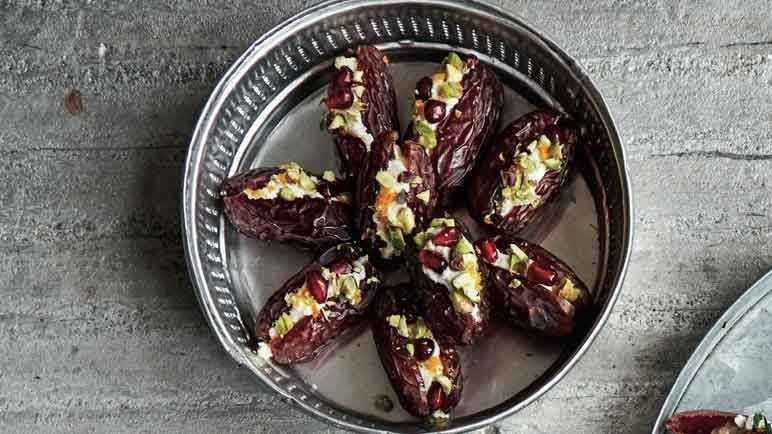
Dates in Rituals and Celebrations
Dates have long been more than just a fruit; they are symbols of life, prosperity, and spirituality across cultures. Among the many varieties, kurma medjool is especially revered for its rich sweetness, luxurious texture, and cultural significance. Known as the “king of dates,” kurma medjool often appears in rituals, celebrations, and traditions around the world. From Middle Eastern feasts to Mediterranean weddings, dates carry meanings that transcend nutrition. They symbolize hospitality, abundance, and blessings, making them indispensable in cultural practices. In modern times, accessibility through kurma wholesale and platforms offering kurma jual online ensures that these traditions continue globally.
Dates in Middle Eastern Rituals
In Middle Eastern cultures, dates are deeply intertwined with religious and social rituals. Kurma medjool is often used to break the fast during Ramadan, following the tradition of the Prophet Muhammad. This act symbolizes purity, gratitude, and spiritual renewal. Dates are also offered to guests as a gesture of hospitality, reflecting generosity and respect. In weddings and family gatherings, dates symbolize fertility and prosperity, reinforcing their role as cultural icons.
Dates in North African Celebrations

North African cultures also embrace dates in rituals and celebrations. In Morocco, Algeria, and Tunisia, dates are served during religious festivals and family events. Kurma medjool, prized for its quality, is often presented as a gift to symbolize goodwill and blessings. Dates are incorporated into traditional dishes such as tagines and pastries, highlighting their role in culinary heritage. Their presence in celebrations reflects abundance and joy, reinforcing their symbolic value.
Dates in Mediterranean Traditions
Mediterranean cultures, particularly in countries like Greece and Italy, use dates in symbolic ways. While not native to the region, dates have been embraced through trade and cultural exchange. Kurma medjool is often included in festive meals, symbolizing sweetness and prosperity. In weddings, dates may be offered alongside nuts and wine, representing fertility and abundance. Their inclusion in Mediterranean traditions underscores the universal appeal of dates as symbols of celebration.
Dates in South Asian Rituals
In South Asia, dates hold spiritual and cultural significance. In India and Pakistan, dates are consumed during Ramadan and other religious occasions. Kurma medjool is often gifted during festivals such as Eid, symbolizing generosity and blessings. Dates are also used in Ayurvedic practices, where they represent vitality and healing. Their role in rituals reflects both spiritual and health-related symbolism, making them integral to South Asian traditions.
Dates in Christian Celebrations
Dates also appear in Christian traditions, particularly in regions where they are cultivated. In Mediterranean Christian communities, dates are included in Christmas feasts, symbolizing sweetness and divine blessings. Kurma medjool, with its luxurious quality, is often reserved for special occasions. Dates may also be used in symbolic dishes during Lent, representing nourishment and simplicity. Their presence in Christian rituals highlights their universal spiritual appeal.

Dates in Jewish Traditions
In Jewish culture, dates hold symbolic meaning in rituals and celebrations. They are one of the seven species mentioned in the Bible, representing abundance and divine blessing. Kurma medjool is often consumed during Rosh Hashanah, symbolizing sweetness for the new year. Dates are also used in Passover dishes, reflecting their historical and spiritual significance. Their role in Jewish traditions underscores their deep connection to faith and heritage.
Dates in Modern Celebrations
In contemporary celebrations, dates continue to symbolize abundance and joy. Kurma medjool is often featured in weddings, birthdays, and corporate events as a luxurious treat. Their presence reflects prosperity and hospitality, aligning with modern values of generosity. With accessibility through kurma wholesale and platforms offering kurma jual online, dates are now part of global celebrations, connecting diverse cultures through shared symbolism.
Dates as Symbols of Hospitality
Across cultures, dates consistently symbolize hospitality. Offering kurma medjool to guests reflects generosity and respect. This tradition is particularly strong in Middle Eastern and North African cultures, where dates are served with coffee or tea. The act of sharing dates reinforces social bonds and reflects cultural values of kindness and community.
Dates as Symbols of Fertility and Prosperity
Dates often symbolize fertility and prosperity in rituals. In weddings, kurma medjool represents blessings for a fruitful marriage. In agricultural societies, dates symbolize abundance and the rewards of hard work. Their role in rituals reflects hopes for prosperity and continuity, making them powerful cultural symbols.
Dates as Spiritual Symbols
Dates carry spiritual symbolism across religions. In Islam, they represent purity and renewal. In Judaism, they symbolize divine blessing. In Christianity, they reflect sweetness and simplicity. Kurma medjool, with its luxurious quality, enhances these spiritual meanings, making it a preferred choice in rituals.
Dates in Culinary Celebrations
Dates are also celebrated through culinary traditions. Kurma medjool is incorporated into festive dishes, symbolizing sweetness and abundance. In Middle Eastern pastries, North African tagines, and Mediterranean desserts, dates reflect cultural heritage and joy. Their role in culinary celebrations reinforces their symbolic value.
Dates in Global Exchange
The symbolism of dates has spread through global trade and cultural exchange. Kurma medjool, originally cultivated in Morocco, is now enjoyed worldwide. Its presence in diverse cultures reflects the universal appeal of dates as symbols of celebration. Global accessibility ensures that traditions continue across borders, connecting people through shared rituals.
Dates in Contemporary Symbolism
In modern contexts, dates symbolize health and wellness. Athletes and health-conscious individuals consume kurma medjool for energy and nutrition. This contemporary symbolism aligns with traditional meanings of vitality and prosperity. Dates thus bridge ancient rituals with modern lifestyles, reinforcing their timeless value.
Conclusion
Dates symbolize much more than nutrition; they represent hospitality, fertility, prosperity, and spirituality across cultures. Kurma medjool, with its luxurious quality, enhances these meanings in rituals and celebrations worldwide. From Middle Eastern hospitality to Jewish blessings and Christian feasts, dates carry universal symbolism that connects diverse traditions. With accessibility through kurma wholesale and platforms offering kurma jual online, dates continue to play a central role in modern celebrations. Their enduring presence reflects the timeless power of food as a cultural symbol, making kurma medjool a fruit that transcends boundaries and unites people through rituals and joy.