
Dates for Sauces, Fillings, and More
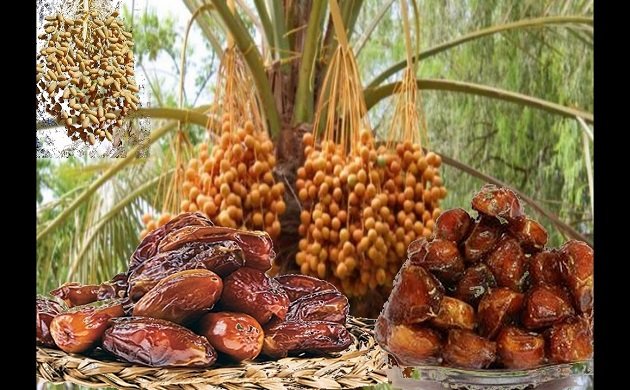
Kurma supplier networks have become an essential link between date producers and professional kitchens, ensuring chefs have consistent access to high-quality varieties that inspire culinary creativity. In today’s gastronomy, ingredients are chosen not only for flavor but also for versatility, presentation, and cost efficiency. Dates meet all these criteria, making them prized components in both savory and sweet applications.
Chefs value dates for their ability to transform sauces, fillings, and gourmet snacks into refined creations that surprise and delight diners. Whether evaluating harga kurma to manage food costs or selecting kurma tangkai for visual elegance, culinary professionals recognize dates as more than simple fruits. They are dynamic, adaptable ingredients that elevate dishes across cuisines and dining formats, from casual eateries to fine dining establishments.

Dates as Culinary Chameleons
Dates are often described as culinary chameleons because of their remarkable adaptability across recipes and cooking styles. Kurma supplier partnerships ensure chefs can choose from a range of date varieties, each suited to specific culinary purposes. Their natural sweetness balances savory flavors, while their texture contributes body and richness to sauces, fillings, and snacks.
Dates can be puréed, chopped, stuffed, caramelized, or infused into liquids, allowing chefs to experiment freely. Kurma tangkai, often selected for its elegant clusters and intact stems, is particularly valued in gourmet settings where presentation matters. At the same time, harga kurma plays a practical role, ensuring chefs can integrate dates into menus sustainably without exceeding budget constraints. Together, these considerations highlight why dates are indispensable in professional kitchens.
Elevating Sauces with Dates
Sauces are foundational elements in culinary arts, often defining a dish’s character and balance. Dates bring depth, roundness, and complexity to sauces, making them richer and more cohesive. Kurma supplier collaborations give chefs access to premium dates that enhance both classic and innovative sauce preparations.
Dates can be blended into marinades, glazes, purées, or reductions, acting as natural sweeteners and thickeners. They soften acidity, balance spice, and add subtle caramel notes that linger on the palate. Kurma tangkai is often chosen for sauces due to its full-bodied flavor, while harga kurma ensures that these enhancements remain accessible to restaurants of varying sizes. The result is sauces that elevate dishes from ordinary to memorable.
Dates in Fillings and Stuffings
Fillings and stuffings are an area where dates truly shine, offering moisture, flavor, and textural contrast. Kurma supplier networks frequently highlight date-based fillings as versatile components for both savory and sweet dishes.
Dates bind ingredients together naturally, reducing the need for added sugars or artificial binders. Their adaptability allows chefs to craft fillings that feel balanced, rich, and intentional.
Savory Fillings
In savory applications, dates add moisture and subtle sweetness to fillings for meats, vegetables, and grains. They pair exceptionally well with herbs, nuts, cheeses, and spices, creating layered flavor profiles. Kurma supplier collaborations often showcase recipes where dates are used in stuffed poultry, roasted vegetables, or grain-based fillings.
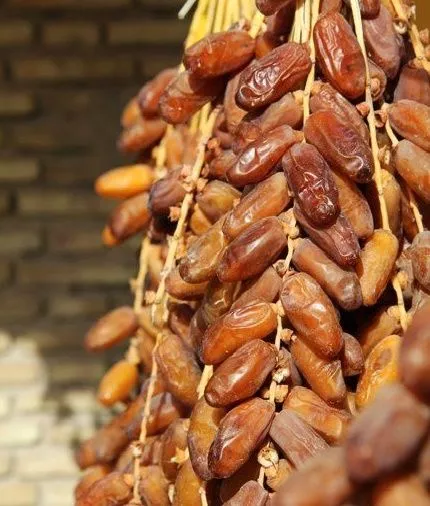
Kurma tangkai is frequently selected for these uses because it maintains structure and flavor during cooking. Its visual appeal also enhances presentation when fillings are exposed or served as part of plated dishes.
Sweet Fillings
Dates are equally valuable in sweet fillings, where their caramel-like notes complement pastries, cakes, tarts, and confections. They can replace refined sugars while adding fiber and depth. Harga kurma plays an important role here, allowing pastry chefs to experiment with date-based fillings without significantly increasing costs.
From filled croissants to layered desserts, dates provide richness and natural sweetness that resonate with diners seeking both indulgence and authenticity.
Gourmet Snacks with Dates
Gourmet snacks have become an important part of modern dining, from tasting menus to upscale catering. Dates are central to many of these creations, offering elegance, flavor, and versatility. Kurma supplier offerings ensure chefs have access to dates suitable for refined snack applications.
Dates function as standalone bites or as bases for creative pairings, making them ideal for small plates and appetizers.
Pairing with Cheese
One of the most popular gourmet uses of dates is pairing them with cheese. The natural sweetness of dates contrasts beautifully with creamy, salty, or tangy cheeses. Kurma supplier networks provide varieties that pair well with soft cheeses like goat cheese and brie, as well as hard cheeses like aged cheddar or parmesan.
Kurma tangkai is often chosen for these pairings because its clustered presentation enhances visual appeal on platters. These combinations are favored by chefs for their simplicity, balance, and crowd appeal.
Nuts and Chocolate Combinations
Dates stuffed with nuts or coated in chocolate are timeless gourmet snacks. They offer a balance of sweetness, crunch, and richness that appeals to a wide audience. Harga kurma ensures that these snacks remain affordable to produce, even when premium chocolate or nuts are used.
Chefs prize these combinations for their versatility, as they can be adapted for casual dining, luxury gift boxes, or fine dining amuse-bouches.
Regional Inspirations
Dates have deep roots in regional cuisines, and chefs often draw inspiration from traditional uses when creating modern dishes. Kurma supplier collaborations help preserve these culinary traditions while enabling contemporary reinterpretation.
Regional influences highlight how dates function across diverse flavor profiles and cooking methods.
Middle Eastern Cuisine
Middle Eastern cuisine has long celebrated dates as essential ingredients in sauces, fillings, and snacks. Kurma supplier networks often highlight traditional recipes where dates are paired with lamb, rice, nuts, and spices.
These dishes demonstrate how dates balance richness and spice, creating meals that feel both hearty and refined. Chefs worldwide adapt these techniques to modern menus, showcasing the enduring relevance of dates.
Mediterranean Influence
In Mediterranean cuisine, dates appear in salads, sauces, and appetizers, often paired with olive oil, herbs, and citrus. Kurma tangkai adds elegance to these dishes, enhancing both flavor and presentation.
Harga kurma ensures that Mediterranean-inspired dishes featuring dates remain accessible, allowing chefs to bring regional flavors to a broad audience.
Creative Applications in Modern Kitchens
Modern kitchens thrive on innovation, and dates provide chefs with endless creative possibilities. Kurma supplier networks support this creativity by offering diverse varieties suitable for experimentation.
Dates adapt easily to evolving culinary trends, from fusion cuisine to minimalist fine dining.
Fusion Cuisine
Fusion cuisine blends flavors and techniques from different cultures, and dates fit seamlessly into this approach. Chefs use dates in Asian-inspired sauces, Latin American fillings, or European desserts, demonstrating their global appeal.
Kurma supplier access ensures chefs can select varieties that match specific flavor profiles, enabling innovation without sacrificing quality.
Fine Dining
In fine dining, every element of a dish must be intentional. Dates are used sparingly but strategically to create moments of surprise and contrast. Kurma tangkai is often chosen for its visual sophistication, while harga kurma ensures that high-quality ingredients remain financially sustainable.
Dates appear in refined sauces, plated desserts, and gourmet snacks, contributing depth and elegance without overwhelming other components.
The Role of Kurma Supplier Networks
Behind every successful culinary application of dates is a reliable supplier. Kurma supplier networks ensure consistency, quality, and availability, allowing chefs to plan menus with confidence.
Suppliers also provide insight into sourcing, seasonality, and variety selection, helping chefs make informed decisions that balance creativity and cost.
Cost Considerations and Menu Planning
Harga kurma plays a crucial role in menu planning. Chefs must balance ingredient costs with creativity and customer expectations. Dates offer excellent value because small quantities deliver significant flavor impact.
By working closely with Kurma supplier networks, chefs can select varieties that meet both budgetary and culinary requirements.

Sustainability and Ingredient Integrity
Many Kurma supplier networks also emphasize ethical sourcing and sustainability. Chefs increasingly value ingredients that align with responsible practices, and dates often meet these criteria.
Using ethically sourced dates enhances menu integrity and aligns culinary creativity with broader environmental and social values.
Conclusion
Kurma supplier networks demonstrate that dates are indispensable in modern gastronomy. Chefs prize them for their adaptability, using them to create sauces, fillings, and gourmet snacks that elevate dining experiences. Kurma tangkai contributes elegance and visual appeal, while harga kurma ensures affordability and practicality across different dining formats.
By embracing dates as dynamic ingredients, chefs balance tradition with innovation, cost with creativity, and flavor with presentation. Dates are far more than fruits—they are culinary chameleons that enrich sauces, fillings, and snacks, securing their place in professional kitchens around the world.