Mencari harga kurma yang tepat boleh menjadi kerja memeningkan—terutama bila anda perlu bandingkan pelbagai jenis dan kualiti. Jika anda berminat untuk beli dalam kuantiti besar, semak Wholesale Kurma untuk pilihan dan tawaran. Artikel ini menyediakan panduan jelas tentang Buy Kurma Prices, anggaran Kurma Cost dan contoh Kurma Price List supaya anda boleh membuat keputusan pantas dan bernas.
Berapa Buy Kurma Prices dan Kurma Cost di Malaysia?
Untuk pengguna dan peniaga, Buy Kurma Prices berbeza mengikut jenis, saiz dan sumber. Secara purata:
- Kurma biasa (contoh: Khalas, Sukari): RM20–RM40/kg
- Kurma premium (contoh: Ajwa, Medjool): RM80–RM300/kg
- Kurma import (`bulk` untuk runcit): Kurma Cost boleh turun 10–30% jika dibeli terus dari pemborong
Kurma Cost yang sebenar juga dipengaruhi cukai import, kos penghantaran dan pembungkusan. Contoh spesifik: Medjool Grade A biasanya berada dalam lingkungan RM120–RM250/kg. Untuk maklumat harga semasa Medjool, lihat Harga Kurma Medjool.
Apa bezanya antara Buy Kurma Prices dan Kurma Cost?
Buy Kurma Prices merujuk kepada harga jualan kepada pembeli (retail atau borong), manakala Kurma Cost adalah jumlah kos sebenar termasuk kos pembelian, penghantaran, dan margin perniagaan. Fahamkan perbezaan ini supaya anda tidak tertipu oleh harga promosi yang nampak murah namun disertai kos tersembunyi.
Ringkasan cepat (untuk featured snippet)
Harga ringkas per kg: Khalas RM20–40 | Sukari RM25–50 | Medjool RM120–250 | Ajwa RM150–300. Untuk pembelian borong, kos boleh turun sehingga 30%.
Kurma Price List — Contoh harga dan cara bandingkan
Berikut contoh Kurma Price List yang mudah dibaca untuk membantu bandingan pantas. Nilai adalah anggaran pasar Malaysia dan boleh berubah mengikut musim.
- Kurma Khalas (1kg) — RM28
- Kurma Sukari (1kg) — RM35
- Kurma Medjool (500g) — RM140
- Kurma Ajwa (250g) — RM120
- Kurma Campuran (250g) — RM18
Bagaimana guna Kurma Price List ini? Tentukan tujuan (makan, hadiah, majlis), kemudian bandingkan:
- Kos per unit (RM/kg atau RM/100g).
- Kos tambahan (penghantaran, pembungkusan hadiah).
- Kelayakan kualiti (tarikh luput, penyimpanan, tekstur).
Contoh pengiraan praktikal
Jika anda beli Medjool 5kg untuk majlis: harga runcit RM200/kg = RM1000. Jika beli borong dan dapat diskaun 20%, Kurma Cost = RM800. Jimat RM200 atau 20%.
Apa yang mempengaruhi Kurma Price List?
Beberapa faktor utama menentukan harga dalam Kurma Price List:
- Asal dan varieti: Kurma dari Jordan, Morocco atau UAE mempunyai rentang harga berlainan.
- Gred & saiz: Saiz besar dan gred A biasanya mahal.
- Kadar kelembapan & gula: Kurma yang lebih manis dan lembap (contohnya Medjool) biasanya premium.
- Pembungkusan: Vakum atau tin boleh menaikkan harga.
- Musim & bekalan: Permintaan semasa Ramadan sering menaikkan Buy Kurma Prices.
Statistik ringkas
Data pasaran menunjukkan permintaan kurma meningkat 15–25% setiap Ramadan di Malaysia. Pemborong kurma besar yang membeli awal (3–4 bulan sebelum musim puncak) sering mendapat Kurma Cost lebih rendah 10–20%.
Bagaimana memilih Quality Kurma Prices tanpa bayar lebih?
Mendapat kualiti baik pada harga munasabah memerlukan strategi. Berikut beberapa langkah praktikal:
- Uji rasa / minta sampel sebelum beli borong.
- Semak tarikh panen dan tarikh luput.
- Cari penjual dengan testimoni dan sijil kualiti.
- Beli pada luar musim puncak untuk dapatkan Quality Kurma Prices yang lebih lebih berbaloi.
Quality Kurma Prices bukan semestinya paling mahal. Kadangkala pembungkusan dan branding menaikkan harga tanpa menambah kualiti substansial. Fokus pada tekstur, rasa dan kebersihan.
Tips pemeriksaan kualiti (cepat)
- Tekan ringan: kurma baik akan lembut tetapi tidak berlendir.
- Aroma: harus wangi dan segar, bukan berasid.
- Warna: konsisten mengikut varieti (Medjool lebih gelap dan berkilat).
Adakah Affordable Kurma Prices bermakna kualiti rendah?
Tidak semestinya. “Affordable Kurma Prices” boleh diperoleh melalui:
- Pembelian borong terus dari pemborong.
- Promosi bermusim dan bundling.
- Memilih varieti tempatan atau campuran yang lebih murah tapi tetap sedap.
Namun, jika harga terlalu murah dibanding pasaran (contoh kurang 40% dari purata), wajar curiga akan pemadatan rasa, penggunaan pengawet atau pembungkusan semula. Sentiasa minta sampel atau lihat testimoni.
Apakah beza Premium Kurma Prices dan biasa?
Premium Kurma Prices merujuk kepada kurma dengan ciri istimewa: saiz besar, rasa sangat manis, proses pengeringan khusus atau reputasi varieti (contoh: Ajwa dan kelas tinggi Medjool). Perbezaan harga biasanya merefleksikan:
- Pemilihan buah (selective harvesting).
- Pembungkusan premium dan pelabelan organik.
- Kos import dan eksklusiviti varieti.
Bagaimana menawar Kurma Cost untuk perniagaan atau majlis?
Tawar-menawar adalah skill. Cara cepat dapatkan Kurma Cost lebih rendah:
- Beli awal dan dalam kuantiti besar — pemborong beri diskaun.
- Bandingkan 3 pembekal dan minta quotation bertulis.
- Tanya untuk bundling (pembungkusan hadiah percuma atau pengangkutan diskaun).
- Gunakan musim luar puncak untuk beli stok.
Contoh praktikal: gabungkan pesanan dengan perniagaan lain untuk dapatkan MOQ (minimum order quantity) yang turun — ini boleh turunkan Kurma Cost sebanyak 12–25%.
Soalan Lazim (People Also Ask)
Berapa harga kurma Medjool per kg?
Harga Kurma Medjool di Malaysia biasanya RM120–RM300/kg bergantung pada gred dan sumber. Harga boleh berubah semasa musim Ramadan dan semasa stok terhad.
Bagaimana cara baca Kurma Price List?
Fokus kepada tiga elemen: harga kurma medjool per unit (kg/100g), kos penghantaran, dan tarikh luput. Bandingkan RM/kg untuk bandingan tepat. Kurma Price List yang baik juga memaparkan gred dan berat bersih.
Bolehkah saya dapat Affordable Kurma Prices untuk majlis besar?
Ya. Tempah awal, minta sampel, dan rundingkan kos pembungkusan. Pembekal sedia maklum kalau anda memerlukan stok berulang; mereka boleh beri harga khusus.
Kesimpulan dan Tindakan Seterusnya
Memahami Buy Kurma Prices, Kurma Cost dan cara membaca Kurma Price List memberi anda kelebihan nyata — sama ada untuk kegunaan peribadi atau perniagaan. Mulakan dengan memetakan keperluan (kualiti vs kuantiti), minta sampel, dan bandingkan sekurang-kurangnya tiga pembekal. Gunakan strategi belian borong untuk kurangkan kos, dan sentiasa periksa kualiti sebelum membuat pesanan besar.
Sedia untuk mula bandingkan harga dan buat pembelian bijak? Semak pilihan pemborong terkemuka untuk mendapatkan harga dan stok yang sesuai dengan keperluan anda.
Mencari maklumat tepat tentang Harga Kurma sebelum membeli boleh menjimatkan wang dan memastikan anda mendapat kualiti terbaik. Untuk pembekal borong dan perbandingan, pertimbangkan sumber seperti Wholesale Kurma yang menyediakan pilihan untuk pembelian dalam kuantiti. Artikel ini akan bantu anda faham Kurma Prices, faktor yang mempengaruhi harga, serta cara memilih kurma sesuai bajet dan citarasa.
Harga Kurma: Apa yang Menentukan Harga dan Nilai
Harga Kurma tidak sekadar angka per kilogram. Ia gabungan beberapa faktor: varieti, kualiti, musim tuaian, kos import dan pengendalian. Kurma Premium seperti Medjool sering dipasarkan pada Kurma Prices lebih tinggi kerana saiz, tekstur lembut dan rasa karamel yang diiktiraf pengguna.
Apa faktor utama yang mempengaruhi Kurma Prices?
- Varieti kurma (contoh: Medjool, Mariami, Mazafati).
- Kualiti (asingan, tahap kelembapan, kematangan).
- Kos logistik dan pengimportan.
- Permintaan musiman, khususnya bulan Ramadan.
- Pemasaran — pembungkusan premium menaikkan harga jualan.
Jangkaan Harga: Perbandingan Varieti Popular
Berikut gambaran anggaran Kurma Prices di pasaran tempatan (harga adalah indikatif dan boleh berubah mengikut peniaga dan musim).
- Medjool: biasanya RM70–RM150/kg. Harga tinggi kerana saiz besar, isi lembut dan permintaan pasaran premium. (Rujuk juga istilah Harga Kurma Medjool untuk variasi).
- Mariami: sekitar RM40–RM90/kg; pilihan popular untuk rasa manis dan tekstur kenyal — sesuai untuk hadiah dan hidangan berbuka. (lihat Harga Kurma Mariami).
- Mazafati: RM30–RM80/kg; terkenal di kalangan peminat kurma lembap, tetapi bekalan terhad pada musim tertentu. (Harga Kurma Mazafati memberi panduan khusus).
- Kurma biasa (jenis kering): RM15–RM40/kg — pilihan ekonomi untuk kegunaan harian.
Contoh kes: Pembelian untuk perniagaan kecil
Sebuah kafe membeli 50 kg Medjool pada RM90/kg (kos RM4,500). Dengan pembungkusan semula dan margin 40%, ia menjual pakej 250g pada harga RM15. Keputusan ini memberi margin yang munasabah sambil mengekalkan nilai jenama.
Bagaimana Menilai Kualiti: Petua Praktikal
Menilai kualiti memerlukan pemerhatian mudah. Sentuh, bau dan tampilan adalah indikator utama.
- Periksa kelembapan: Kurma berkualiti tinggi rasa lembap dan kenyal, bukan kering dan bersisik.
- Warna dan tekstur: Permukaan cekap, tanpa kulat atau bau aneh.
- Saiz dan isi: Kurma besar dengan isi penuh biasanya bernilai lebih baik.
- Label dan asal: Kurma impor dari negara tertentu mungkin disertakan sijil kualiti.
Jika anda mengutamakan standard tertentu, bandingkan Quality Kurma Prices antara beberapa pembekal untuk memastikan nisbah harga/kualiti yang terbaik.
Adakah harga lebih tinggi sentiasa bermaksud lebih berkualiti?
Tidak semestinya. Harga tinggi sering menunjukkan varieti premium atau pembungkusan mewah. Namun kawalan kualiti, cara simpan dan tarikh tuaian memberi impak besar. Sentiasa minta sampel sebelum membuat pembelian besar.
Soalan yang Sering Ditanya (People Also Ask)
Berapa harga kurma per kg untuk kegunaan rumah?
Untuk kegunaan rumah, anggaran adalah RM20–RM80/kg bergantung pada varieti. Kurma kering ekonomi boleh mula RM15/kg, sementara varieti premium seperti Medjool berada dalam julat RM70 ke atas.
Bagaimanakah saya boleh dapatkan Kurma Prices terbaik untuk pembelian besar?
Tiga langkah mudah:
- Bandingkan beberapa pembekal dan minta kadar borong.
- Semak kos logistik — beli kuantiti lebih besar untuk kurangkan kos per unit.
- Runding pakej pembungkusan sendiri untuk jimat kos pemasaran.
Untuk pembelian borong, sumber seperti Wholesale Kurma (lihat pada perenggan awal) boleh jadi titik permulaan. Jika anda mahu semak kadar berbanding pasaran tempatan, laman khusus kurma juga membantu.
Cara Pintar Membeli: Tips & Taktik Rundingan
Jangan beli berdasarkan harga sahaja. Berikut strategi yang boleh digunakan ketika membeli.
- Membeli dalam musim panen untuk mendapatkan Kurma Prices rendah.
- Tawar bundel: gabungkan pelbagai jenis untuk mengurangkan kos purata.
- Minta sampel: ini mengurangkan risiko kualiti tidak menepati jangkaan.
- Periksa polisi pulangan dan tarikh tamat — penting untuk jualan semula.
Apakah strategi penyimpanan untuk mengekalkan kualiti selepas pembelian?
Simpan dalam bekas kedap udara di tempat sejuk atau dalam peti sejuk untuk kurma jenis lembap. Ini melanjutkan hayat dan mengekalkan tekstur. Bagi penjual, penggunaan vacuum-pack mengurangkan oksidasi dan kehilangan kelembapan.
Buy Kurma Prices: Di Mana Mendapatkan Tawaran Terbaik?
Untuk perbandingan cepat dan tawaran terkini, lihat sumber pembanding harga khusus. Jika anda ingin terus membeli dengan rujukan pasaran Malaysia, cuba semak platform yang mengumpulkan senarai harga. Contoh rujukan: Buy Kurma Prices.
Menggunakan pautan seperti di atas memudahkan perbandingan antara pembekal dan melihat promosi musiman. Anda boleh jimat sehingga 10–20% apabila membeli pada waktu promosi atau sebagai pembelian borong.
Apa jangkaan tren Harga Kurma menjelang 2026?
Trend menunjukkan permintaan meningkat sekitar Ramadan dan musim perayaan, menyebabkan fluktuasi harga. Kos logistik global juga memberi kesan; namun inovasi pembungkusan dan penjanaan pasaran tempatan membantu menstabilkan Kurma Prices.
Saya perhatikan dalam beberapa tahun terakhir pembeli semakin bijak — lebih ramai memilih value-for-money bukannya label premium semata. Ini menekan pembekal untuk menawarkan kualiti konsisten pada harga kompetitif.
Ringkasan & Tindakan Seterusnya
Inti utama: Harga Kurma dipengaruhi oleh varieti, kualiti dan kos operasi. Ketahui julat harga untuk Medjool, Mariami dan Mazafati sebelum membeli. Bandingkan Kurma Prices, minta sampel dan simpan dengan betul untuk jaga nilai pelaburan.
Mahu teruskan dan buat keputusan pintar? Semak sumber perbandingan harga serta hubungi pembekal borong untuk sampel dan kuota. Untuk rujukan pantas berkenaan tawaran dalam pasaran Malaysia, singgah ke halaman buy kurma prices untuk melihat senarai harga semasa.
Siap untuk membeli? Buat senarai keutamaan: bajet per kg, varieti pilihan (contoh: Harga Kurma Medjool atau Mariami), dan anggaran jumlah pembelian. Kemudian hubungi 2–3 pembekal, minta sebut harga bertulis dan sampel — tindakan mudah ini boleh jimat ratusan ringgit untuk pembelian sederhana.
Mencari maklumat tepat tentang kurma dan variasi harganya boleh jadi mengelirukan. Dalam panduan ini saya akan jelaskan faktor yang mempengaruhi Kurma Prices, bagaimana untuk Buy Kurma Prices dengan bijak dan cara mengira Kurma Cost sebenar. Jika anda sedang mencari pembekal yang dipercayai, mula dengan pilihan kurma supplier malaysia untuk rujukan pembekalan dan kualiti.
Apa itu Kurma Prices dan mengapa ia berubah?
Istilah Kurma Prices merujuk kepada harga pasaran kurma yang sering berubah mengikut musim, stok import, dan permintaan pengguna. Harga tidak hanya ditentukan oleh jenis kurma tetapi juga oleh kualiti, saiz, pemprosesan, dan kos penghantaran.
Apa faktor utama yang mempengaruhi harga?
- Asal kurma (contoh: Ajwa dari Madinah atau Mazafati dari Iran)
- Kualiti dan saiz (size grading dan kadar rosak)
- Musim tuaian dan bekalan global
- Kos import, cukai, dan logistik
- Jenama dan pembungkusan (premium packaging menambah kos)
Perbandingan jenis kurma dan anggaran harga
Berikut adalah perbandingan praktikal untuk membantu anda faham perbezaan Kurma Cost antara jenis popular. Harga adalah anggaran runcit di Malaysia (MYR/kg) berasaskan pemerhatian pasaran 2024–2026 dan boleh berubah.
1. Harga Kurma Ajwa
Kurma Ajwa dikenali sebagai kurma premium dari Madinah. Anggaran Harga Kurma Ajwa adalah antara RM150–RM350/kg bergantung pada kualiti dan pembungkusan. Ramai membeli Ajwa untuk kegunaan perubatan dan amalan rohani, menyebabkan permintaan stabil walaupun harganya tinggi.
2. Harga Kurma Medjool
Kurma Medjool terkenal kerana isinya yang besar dan tekstur lembut. Harga Kurma Medjool lazimnya RM80–RM180/kg. Kualiti import dari negara seperti Algeria, Israel atau Amerika Syarikat memberi kesan kepada Kurma Prices.
3. Harga Kurma Mariami
Kurma Mariami adalah pilihan ekonomi yang manis dan sesuai untuk penggunaan harian. Harga Kurma Mariami biasanya RM20–RM60/kg. Ia sering dijual dalam pek besar untuk pasaran runcit dan makanan ringan.

4. Harga Kurma Mazafati
Mazafati (atau Mazafati) berasal dari Iran dan disukai kerana kelembapan dan rasa berbuahnya. Harga Kurma Mazafati di pasaran Malaysia berada dalam lingkungan RM40–RM120/kg. Faktor seperti musim dan kualiti beri impak besar kepada Kurma Cost.
Kurma Price Comparison: bagaimana membuat keputusan beli
Untuk melakukan Kurma Price Comparison yang efektif, bandingkan bukan hanya harga per kilogram tetapi juga faktor berikut:
- Kos penghantaran dan pembungkusan (adakah dihantar sejuk?)
- Tarikh luput dan kesegaran
- Sumber dan sijil kualiti (contoh: organik, bebas racun)
- Promosi kuantiti — adakah beli borong lebih jimat?
Contoh praktikal: Ajwa RM200/kg mungkin kelihatan mahal berbanding Mariami RM40/kg. Tetapi untuk kegunaan ritual atau hadiah korporat, nilai jenama dan pembungkusan Ajwa boleh membenarkan kos tambahan.
Bagaimana untuk Buy Kurma Prices dengan bijak?
Apabila anda mahu Buy Kurma Prices, strategi pembelian yang betul mengurangkan kos tanpa kompromi kualiti. Berikut beberapa tip praktikal:
- Beli semasa promosi atau musim penuaian — bekalan lebih, harga turun.
- Beli pukal dari pembekal sah untuk diskaun — runcit vs borong boleh jimat 10–30%.
- Bandingkan unit harga (RM/kg atau RM/500g) bukan harga pek sahaja.
- Cuba pek kecil dahulu untuk uji kualiti sebelum beli borong.
- Periksa ulasan pengguna dan sijil kualiti daripada pembekal.
Jika anda mahu semak senarai dan perincian produk, rujuk laman rasmi Harga Kurma untuk kemas kini dan tawaran semasa.
Contoh kes: Kedai A vs Kedai B
Kedai A menjual Medjool 1kg pada RM120, tetapi penghantaran RM15, manakala Kedai B jual 1kg Medjool pada RM130 dengan penghantaran percuma untuk pembelian >RM150. Jika anda beli 2kg, Kedai B lebih jimat (RM260 vs RM255 selepas kos penghantaran). Ini menunjukkan kenapa kira Kurma Cost penuh sebelum buat keputusan.
Soalan Lazim (People Also Ask)
Berapa kos kurma per kilogram di Malaysia?
Kos berbeza mengikut jenis. Anggaran:
- Ajwa: RM150–RM350/kg
- Medjool: RM80–RM180/kg
- Mariami: RM20–RM60/kg
- Mazafati: RM40–RM120/kg
Ini adalah julat runcit dan bergantung pada kualiti serta musim.
Bagaimana saya tahu saya mendapat nilai terbaik ketika Buy Kurma Prices?
Nilai terbaik datang dari membandingkan unit harga, memeriksa kesegaran, dan mempertimbangkan kos tambahan seperti penghantaran. Cuba beli pek kecil dulu untuk uji rasa sebelum komit borong. Tanya juga pembekal tentang tarikh penuaian dan kaedah penyimpanan.
Adakah kurma yang lebih mahal selalu lebih baik?
Tidak selalu. Harga tinggi biasanya menunjukkan kualiti, saiz atau jenama. Namun, kurma sederhana harganya kadang-kala menawarkan rasa yang sama untuk penggunaan harian. Tentukan tujuan pembelian: hadiah/penganut agama atau penggunaan harian.
Apa kesilapan biasa pembeli dan cara elakkannya?
Ramai pembeli fokus hanya pada harga pek. Ini mengabaikan kos nyata. Elakkan kesilapan ini:
- Tidak memeriksa berat bersih dan kandungan air — kurma yang lebih basah beratnya lebih tetapi nilai kering mungkin kurang.
- Membeli tanpa banding unit harga — pek promosi mungkin nampak murah tapi kurang berat bersih.
- Tidak membaca ulasan atau memeriksa reputasi pembekal.
Tip penyimpanan untuk kurma (kurangkan Kurma Cost jangka panjang)
Simpan kurma dengan betul untuk memanjangkan hayat dan mengurangkan pembaziran — ini mengurangkan Kurma Cost efektif per penggunaan.
- Simpan dalam bekas kedap udara di tempat sejuk dan gelap.
- Untuk stok lebih dari 3 bulan, pertimbangkan simpanan di peti sejuk atau sejuk beku (pembekuan membantu mengekalkan kelembapan).
- Labelkan tarikh buka dan beli untuk pengurusan stok mudah.
Pandangan peribadi dan strategi pembelian saya
Saya sering menggabungkan pembelian: ambil 1–2 pek premium (sebagai hidangan istimewa) dan stok pek ekonomi untuk kegunaan harian. Ini menjaga kualiti sambil mengekalkan Kurma Cost rendah untuk keperluan harian. Bila membeli untuk acara, saya utamakan kualiti dan pembungkusan, bukan hanya harga.
Ringkasan: langkah membuat keputusan bijak mengenai Kurma Prices
Untuk membuat keputusan pembelian yang bijak:
- Bandingkan unit harga dan kos penghantaran
- Kenal pasti tujuan pembelian (harian vs hadiah)
- Periksa reputasi pembekal dan sijil kualiti
- Gunakan tip penyimpanan untuk kurangkan pembaziran
Mahu mula membeli atau membekalkan kurma dengan jaminan kualiti? Semak pilihan pembekal yang dipercayai dan mulakan perbandingan Kurma Prices berdasarkan keperluan anda. Jika anda perlukan bantuan menilai tawaran atau membuat pengiraan kos terbaik untuk pembelian borong, saya boleh bantu sediakan senarai semak perbandingan harga.
Siap untuk bertindak? Semak pembekal, buat perbandingan unit harga, dan tentukan strategi pembelian anda. Pembelian yang dirancang menjimatkan wang dan memastikan anda nikmati kurma berkualiti tanpa pembaziran.
Tourism is not only about landscapes, monuments, and cultural heritage; it is also deeply connected to food networks that shape the identity of a region. Dates, one of the oldest cultivated fruits in the world, have become a symbol of hospitality and tradition across many destinations. For travelers, tasting local dates is often as memorable as visiting historical sites. Pemborong kurma, or wholesale date suppliers, play a crucial role in linking tourism with agriculture, ensuring that visitors experience authentic flavors while communities benefit economically. This article explores how tourism and dates networks intersect, highlighting the cultural, economic, and nutritional significance of dates in travel experiences.
Dates as Cultural Ambassadors
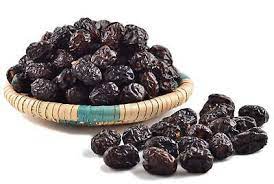
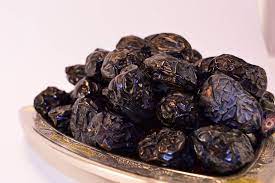
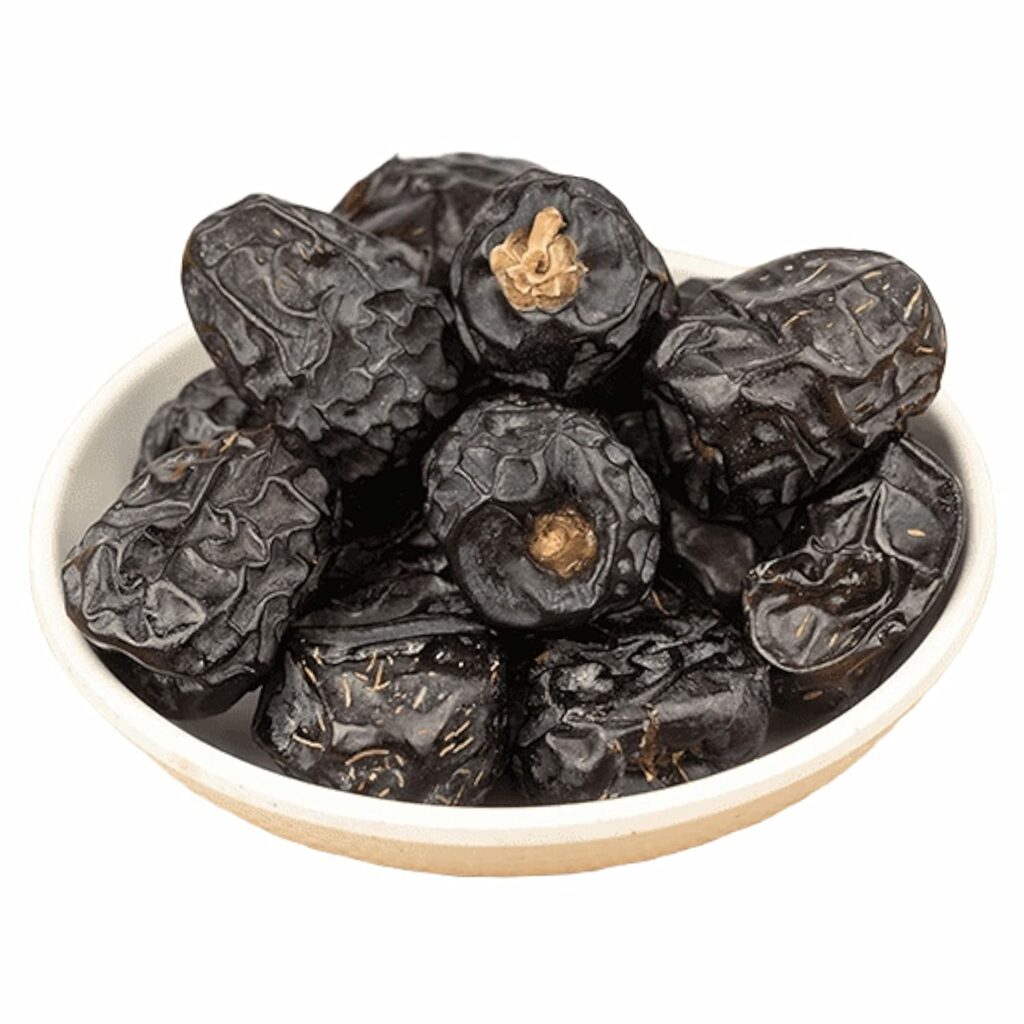
Dates are more than just food; they are cultural ambassadors that represent the traditions of regions where they are grown. Kurma ajwa 1kg, a premium variety often associated with heritage and spirituality, is frequently introduced to tourists as part of cultural tours. By offering such varieties, Pemborong kurma ensures that visitors not only taste but also understand the historical and cultural narratives behind dates.
Symbol of Hospitality
In many cultures, offering dates to guests is a gesture of welcome. Tourists often encounter this tradition upon arrival, making dates their first taste of local hospitality.
Heritage Connection
Varieties like kurma ajwa 1kg are linked to centuries-old practices, allowing travelers to connect with history through food.
Tourism Packages
Some destinations include date farm visits in their tourism packages, where travelers can learn about cultivation and taste fresh harvests.
Economic Linkages Between Tourism and Date Trade
Tourism creates demand for local products, and dates are among the most sought-after souvenirs. Jual kurma, or the sale of dates, thrives in tourist markets where visitors purchase dates to take home. Pemborong kurma supports this trade by supplying bulk quantities to retailers, ensuring that tourists always find fresh and diverse options.
Souvenir Value
Dates are packaged attractively for tourists, making them ideal gifts and souvenirs.
Local Market Growth
Jual kurma benefits from tourism by expanding its reach beyond local consumers to international visitors.
Wholesale Support
Pemborong kurma ensures that retailers can meet increased demand during peak tourist seasons.

Tourism Experiences Centered on Dates
Tourism experiences increasingly include food-based activities, and dates are central to many of these. Pemborong kurma collaborates with tour operators to integrate dates into culinary tours, festivals, and farm visits.
Culinary Tours
Travelers enjoy tasting different date varieties, learning recipes, and experiencing local cuisine.
Festivals and Events
Date festivals attract tourists, showcasing cultural performances, crafts, and culinary innovations.
Farm Visits
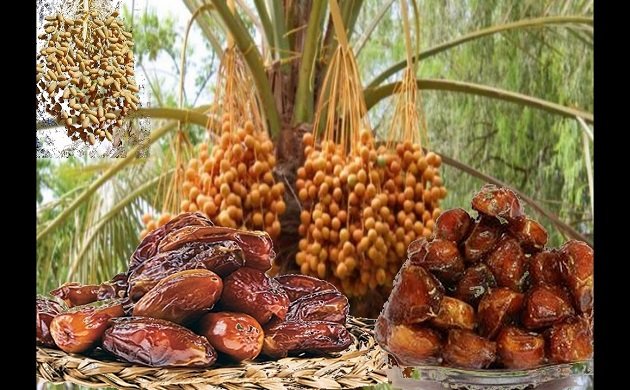
Tourists visiting date farms gain insight into cultivation, harvesting, and traditional processing methods.
Nutritional Appeal for Travelers
Dates are not only culturally significant but also nutritionally beneficial, making them popular among health-conscious tourists. Pemborong kurma emphasizes the nutritional value of dates in tourism marketing, highlighting their role as energy boosters.
Quick Energy Source
Dates provide natural sugars that give travelers instant energy during tours.
Rich in Minerals
Potassium, magnesium, and iron in dates support hydration and stamina, essential for active tourists.
Healthy Alternative
Dates serve as a healthier alternative to processed snacks often consumed during travel.
Sustainability and Tourism Development
Sustainable tourism emphasizes local products and community benefits. Dates networks align perfectly with this vision. Pemborong kurma supports sustainable practices by connecting farmers with tourism markets.
Supporting Farmers
Tourism demand for dates provides farmers with stable income, encouraging sustainable cultivation.
Eco-Friendly Practices
Date farms often adopt eco-friendly practices to appeal to environmentally conscious tourists.
Community Empowerment
Tourism linked to dates empowers local communities by creating jobs and preserving traditions.
Case Studies of Tourism and Dates Integration
Several regions have successfully integrated dates into tourism experiences. Pemborong kurma plays a role in these success stories by ensuring supply and quality.
Middle Eastern Destinations
Countries like Saudi Arabia and the UAE promote dates as part of cultural tourism, offering varieties like kurma ajwa 1kg to visitors.
Southeast Asia
Malaysia integrates jual kurma into tourism markets, with Pemborong kurma ensuring availability for both locals and tourists.
North Africa
Morocco and Tunisia host date festivals that attract international tourists, showcasing local varieties and crafts.
Conclusion
Tourism and dates networks are deeply intertwined, creating opportunities for cultural exchange, economic growth, and sustainable development. Dates serve as cultural ambassadors, nutritional powerhouses, and economic drivers in tourism experiences. Pemborong kurma ensures that these networks function smoothly, connecting farmers, retailers, and tourists. Whether through premium varieties like kurma ajwa 1kg or thriving markets supported by jual kurma, dates enrich tourism by offering travelers authentic tastes and meaningful connections. By integrating dates into tourism, destinations not only promote local products but also preserve traditions and empower communities, making dates a cornerstone of cultural tourism worldwide.
Kurma supplier networks have become an essential link between date producers and professional kitchens, ensuring chefs have consistent access to high-quality varieties that inspire culinary creativity. In today’s gastronomy, ingredients are chosen not only for flavor but also for versatility, presentation, and cost efficiency. Dates meet all these criteria, making them prized components in both savory and sweet applications.
Chefs value dates for their ability to transform sauces, fillings, and gourmet snacks into refined creations that surprise and delight diners. Whether evaluating harga kurma to manage food costs or selecting kurma tangkai for visual elegance, culinary professionals recognize dates as more than simple fruits. They are dynamic, adaptable ingredients that elevate dishes across cuisines and dining formats, from casual eateries to fine dining establishments.

Dates as Culinary Chameleons
Dates are often described as culinary chameleons because of their remarkable adaptability across recipes and cooking styles. Kurma supplier partnerships ensure chefs can choose from a range of date varieties, each suited to specific culinary purposes. Their natural sweetness balances savory flavors, while their texture contributes body and richness to sauces, fillings, and snacks.
Dates can be puréed, chopped, stuffed, caramelized, or infused into liquids, allowing chefs to experiment freely. Kurma tangkai, often selected for its elegant clusters and intact stems, is particularly valued in gourmet settings where presentation matters. At the same time, harga kurma plays a practical role, ensuring chefs can integrate dates into menus sustainably without exceeding budget constraints. Together, these considerations highlight why dates are indispensable in professional kitchens.
Elevating Sauces with Dates
Sauces are foundational elements in culinary arts, often defining a dish’s character and balance. Dates bring depth, roundness, and complexity to sauces, making them richer and more cohesive. Kurma supplier collaborations give chefs access to premium dates that enhance both classic and innovative sauce preparations.
Dates can be blended into marinades, glazes, purées, or reductions, acting as natural sweeteners and thickeners. They soften acidity, balance spice, and add subtle caramel notes that linger on the palate. Kurma tangkai is often chosen for sauces due to its full-bodied flavor, while harga kurma ensures that these enhancements remain accessible to restaurants of varying sizes. The result is sauces that elevate dishes from ordinary to memorable.
Dates in Fillings and Stuffings
Fillings and stuffings are an area where dates truly shine, offering moisture, flavor, and textural contrast. Kurma supplier networks frequently highlight date-based fillings as versatile components for both savory and sweet dishes.
Dates bind ingredients together naturally, reducing the need for added sugars or artificial binders. Their adaptability allows chefs to craft fillings that feel balanced, rich, and intentional.
Savory Fillings
In savory applications, dates add moisture and subtle sweetness to fillings for meats, vegetables, and grains. They pair exceptionally well with herbs, nuts, cheeses, and spices, creating layered flavor profiles. Kurma supplier collaborations often showcase recipes where dates are used in stuffed poultry, roasted vegetables, or grain-based fillings.
Kurma tangkai is frequently selected for these uses because it maintains structure and flavor during cooking. Its visual appeal also enhances presentation when fillings are exposed or served as part of plated dishes.
Sweet Fillings
Dates are equally valuable in sweet fillings, where their caramel-like notes complement pastries, cakes, tarts, and confections. They can replace refined sugars while adding fiber and depth. Harga kurma plays an important role here, allowing pastry chefs to experiment with date-based fillings without significantly increasing costs.
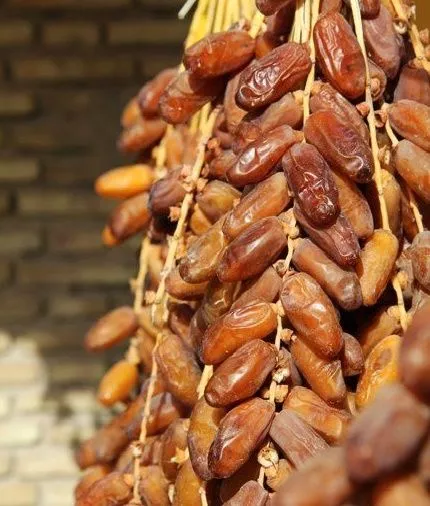
From filled croissants to layered desserts, dates provide richness and natural sweetness that resonate with diners seeking both indulgence and authenticity.
Gourmet Snacks with Dates
Gourmet snacks have become an important part of modern dining, from tasting menus to upscale catering. Dates are central to many of these creations, offering elegance, flavor, and versatility. Kurma supplier offerings ensure chefs have access to dates suitable for refined snack applications.
Dates function as standalone bites or as bases for creative pairings, making them ideal for small plates and appetizers.
Pairing with Cheese
One of the most popular gourmet uses of dates is pairing them with cheese. The natural sweetness of dates contrasts beautifully with creamy, salty, or tangy cheeses. Kurma supplier networks provide varieties that pair well with soft cheeses like goat cheese and brie, as well as hard cheeses like aged cheddar or parmesan.
Kurma tangkai is often chosen for these pairings because its clustered presentation enhances visual appeal on platters. These combinations are favored by chefs for their simplicity, balance, and crowd appeal.
Nuts and Chocolate Combinations
Dates stuffed with nuts or coated in chocolate are timeless gourmet snacks. They offer a balance of sweetness, crunch, and richness that appeals to a wide audience. Harga kurma ensures that these snacks remain affordable to produce, even when premium chocolate or nuts are used.
Chefs prize these combinations for their versatility, as they can be adapted for casual dining, luxury gift boxes, or fine dining amuse-bouches.
Regional Inspirations
Dates have deep roots in regional cuisines, and chefs often draw inspiration from traditional uses when creating modern dishes. Kurma supplier collaborations help preserve these culinary traditions while enabling contemporary reinterpretation.
Regional influences highlight how dates function across diverse flavor profiles and cooking methods.
Middle Eastern Cuisine
Middle Eastern cuisine has long celebrated dates as essential ingredients in sauces, fillings, and snacks. Kurma supplier networks often highlight traditional recipes where dates are paired with lamb, rice, nuts, and spices.
These dishes demonstrate how dates balance richness and spice, creating meals that feel both hearty and refined. Chefs worldwide adapt these techniques to modern menus, showcasing the enduring relevance of dates.
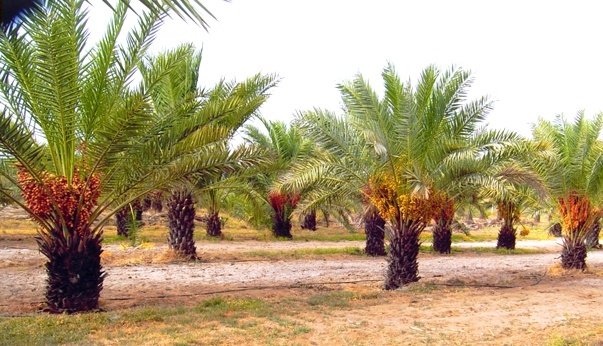
Mediterranean Influence
In Mediterranean cuisine, dates appear in salads, sauces, and appetizers, often paired with olive oil, herbs, and citrus. Kurma tangkai adds elegance to these dishes, enhancing both flavor and presentation.
Harga kurma ensures that Mediterranean-inspired dishes featuring dates remain accessible, allowing chefs to bring regional flavors to a broad audience.
Creative Applications in Modern Kitchens
Modern kitchens thrive on innovation, and dates provide chefs with endless creative possibilities. Kurma supplier networks support this creativity by offering diverse varieties suitable for experimentation.
Dates adapt easily to evolving culinary trends, from fusion cuisine to minimalist fine dining.
Fusion Cuisine
Fusion cuisine blends flavors and techniques from different cultures, and dates fit seamlessly into this approach. Chefs use dates in Asian-inspired sauces, Latin American fillings, or European desserts, demonstrating their global appeal.
Kurma supplier access ensures chefs can select varieties that match specific flavor profiles, enabling innovation without sacrificing quality.
Fine Dining
In fine dining, every element of a dish must be intentional. Dates are used sparingly but strategically to create moments of surprise and contrast. Kurma tangkai is often chosen for its visual sophistication, while harga kurma ensures that high-quality ingredients remain financially sustainable.
Dates appear in refined sauces, plated desserts, and gourmet snacks, contributing depth and elegance without overwhelming other components.
The Role of Kurma Supplier Networks
Behind every successful culinary application of dates is a reliable supplier. Kurma supplier networks ensure consistency, quality, and availability, allowing chefs to plan menus with confidence.
Suppliers also provide insight into sourcing, seasonality, and variety selection, helping chefs make informed decisions that balance creativity and cost.
Cost Considerations and Menu Planning
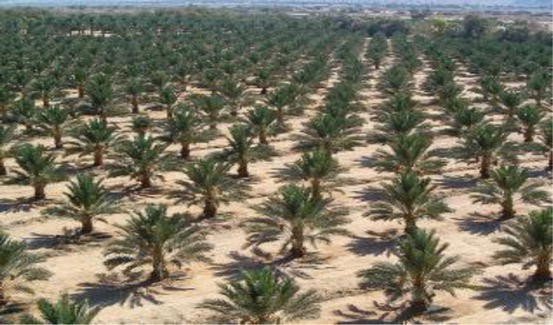
Harga kurma plays a crucial role in menu planning. Chefs must balance ingredient costs with creativity and customer expectations. Dates offer excellent value because small quantities deliver significant flavor impact.
By working closely with Kurma supplier networks, chefs can select varieties that meet both budgetary and culinary requirements.
Sustainability and Ingredient Integrity
Many Kurma supplier networks also emphasize ethical sourcing and sustainability. Chefs increasingly value ingredients that align with responsible practices, and dates often meet these criteria.
Using ethically sourced dates enhances menu integrity and aligns culinary creativity with broader environmental and social values.
Conclusion
Kurma supplier networks demonstrate that dates are indispensable in modern gastronomy. Chefs prize them for their adaptability, using them to create sauces, fillings, and gourmet snacks that elevate dining experiences. Kurma tangkai contributes elegance and visual appeal, while harga kurma ensures affordability and practicality across different dining formats.
By embracing dates as dynamic ingredients, chefs balance tradition with innovation, cost with creativity, and flavor with presentation. Dates are far more than fruits—they are culinary chameleons that enrich sauces, fillings, and snacks, securing their place in professional kitchens around the world.
Across centuries and continents, dates have been cherished not only as food but as a symbol of generosity, hospitality, and unity. Their ability to transcend cultural and religious boundaries makes them one of the most universal gifts in human history. Kurma borong, or wholesale dates, plays a vital role in ensuring that this timeless fruit reaches communities worldwide, allowing traditions to flourish and modern lifestyles to embrace their benefits. Whether presented during festive occasions, shared among friends, or offered as a gesture of goodwill, dates embody values that resonate across cultures. From traditional varieties like kurma tangkai to premium options such as kurma bam, dates continue to connect people in meaningful ways.
The Historical Significance of Dates as Gifts
Dates have been cultivated for thousands of years, with their origins tracing back to Mesopotamia and Egypt. Their role as a gift is deeply rooted in history.
Ancient Civilizations
In ancient times, dates were exchanged among rulers and communities as symbols of prosperity. Their durability and sweetness made them ideal for long journeys and trade.
Religious Traditions
Dates hold special significance in Islam, Christianity, and Judaism. They are consumed during Ramadan, mentioned in the Bible, and celebrated in Jewish festivals. This shared reverence highlights their universal appeal.
Why Dates Are Considered a Universal Gift
Dates embody qualities that make them suitable for gifting across diverse cultures and religions.
Symbol of Hospitality
Offering dates to guests is a gesture of warmth and generosity in many cultures. Kurma borong ensures that this tradition continues by making dates accessible in bulk for households and communities.
Nutritional Value
Dates are packed with natural sugars, fiber, and essential minerals, making them a gift that nourishes both body and spirit.
Versatility
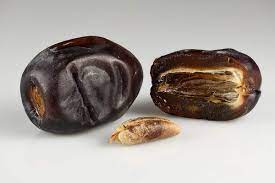
Dates can be enjoyed fresh, dried, or incorporated into recipes. Their adaptability makes them appealing to people with different tastes and dietary preferences.
Dates in Cultural Celebrations
Dates are central to celebrations across the world, reinforcing their role as a universal gift.
Middle Eastern Festivals
In Middle Eastern cultures, dates are exchanged during weddings, religious holidays, and family gatherings. Kurma tangkai, presented in clusters, is especially popular during festive occasions.
Mediterranean Traditions
In Mediterranean countries, dates are gifted during harvest festivals and community feasts, symbolizing abundance and gratitude.
Global Adoption
As dates gain popularity worldwide, they are increasingly included in celebrations outside their traditional regions, reflecting their universal appeal.
The Role of Kurma Borong in Modern Gifting
Kurma borong connects tradition with modern lifestyles by making dates available in wholesale quantities.
Accessibility
By offering dates in bulk, Kurma borong ensures that families, communities, and businesses can share them widely during celebrations.
Variety
From everyday options to premium varieties, Kurma borong provides diverse choices to suit different gifting needs. Kurma bam, known for its rich flavor, is often chosen for special occasions.
Global Reach
Wholesale distribution allows dates to transcend geographic boundaries, ensuring that their cultural significance is preserved worldwide.
Nutritional Advantages of Gifting Dates
Dates are not only symbolic but also practical gifts that promote health and wellness.
Natural Sweetness
Dates provide natural sugars that offer quick energy, making them a healthier alternative to processed sweets.
Fiber Content
Their fiber supports digestion and helps regulate blood sugar, adding functional value to their role as gifts.
Vitamins and Minerals
Dates contain potassium, magnesium, and iron, supporting heart health and overall well-being.
Dates in Religious Practices
Dates hold a special place in religious practices, reinforcing their role as a universal gift.
Islam
Dates are consumed to break fasts during Ramadan, symbolizing nourishment and gratitude.
Christianity
Dates are mentioned in the Bible and have been part of Christian feasts for centuries.
Judaism
Dates are celebrated during Jewish festivals, symbolizing abundance and divine blessing.
Modern Uses of Dates in Gifting
Beyond tradition, dates are finding new roles in modern gifting practices.
Corporate Gifts
Companies are increasingly including dates in gift baskets, recognizing their universal appeal and health benefits.
Wellness Gifts
Dates are featured in wellness hampers, reflecting the growing demand for natural and nutritious products.
Gourmet Applications
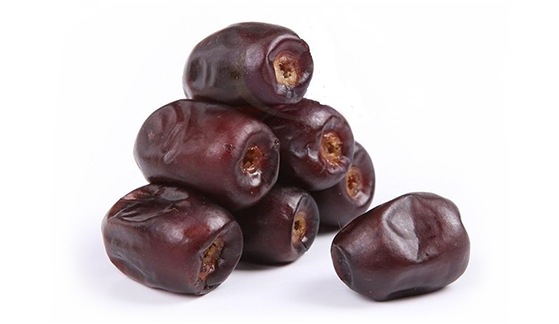
Premium varieties like kurma bam are used in gourmet gift boxes, elevating dates to luxury status.
Challenges in Preserving the Tradition of Date Gifting
Despite their popularity, there are challenges in maintaining the tradition of gifting dates.
Market Competition
Dates compete with other gift options like chocolates and processed sweets.
Consumer Awareness
Educating consumers about the cultural and nutritional significance of dates is essential to preserve their role as gifts.
Sustainability
Ensuring sustainable farming practices is crucial to maintaining the availability of dates for future generations.
Innovations in Date Gifting
To stay relevant, date gifting is evolving with modern innovations.
Packaging
Attractive packaging enhances the appeal of dates as gifts, making them suitable for both traditional and modern occasions.
Product Diversification
Dates are now offered in forms such as stuffed dates, date chocolates, and date syrups, expanding their gifting potential.
Online Platforms
Kurma borong and kurma online platforms make it easier for consumers to purchase dates for gifting, ensuring accessibility worldwide.
Cultural Symbolism of Dates as Gifts
Dates symbolize values that resonate across cultures and religions.
Unity
Dates bring people together, transcending boundaries of faith and geography.
Generosity
Offering dates reflects generosity and kindness, values cherished universally.
Heritage
Dates preserve cultural heritage, connecting modern practices with ancient traditions.
The Future of Dates as Universal Gifts
The future looks promising for dates as universal gifts, driven by global demand and cultural appreciation.
Rising Health Awareness
As consumers seek healthier alternatives, dates will continue to gain prominence as gifts.
Expansion of Global Markets
Kurma borong will play a central role in expanding the reach of dates, ensuring their availability worldwide.
Sustainability and Ethics
Farmers and distributors are emphasizing sustainable practices, ensuring that dates remain a cherished gift for generations.
Conclusion
Dates embody qualities that make them a universal gift, transcending cultural and religious boundaries. Their nutritional richness, cultural symbolism, and adaptability ensure that they remain relevant in both traditional and modern contexts. Kurma borong connects communities worldwide, making it possible to share varieties like kurma tangkai and kurma bam across celebrations and generations. As traditions evolve and modern innovations flourish, dates will continue to symbolize unity, generosity, and heritage, securing their place as one of the most meaningful gifts in human history.
Dates have long been more than just a fruit; they are symbols of life, prosperity, and spirituality across cultures. Among the many varieties, kurma medjool is especially revered for its rich sweetness, luxurious texture, and cultural significance. Known as the “king of dates,” kurma medjool often appears in rituals, celebrations, and traditions around the world. From Middle Eastern feasts to Mediterranean weddings, dates carry meanings that transcend nutrition. They symbolize hospitality, abundance, and blessings, making them indispensable in cultural practices. In modern times, accessibility through kurma wholesale and platforms offering kurma jual online ensures that these traditions continue globally.
Dates in Middle Eastern Rituals
In Middle Eastern cultures, dates are deeply intertwined with religious and social rituals. Kurma medjool is often used to break the fast during Ramadan, following the tradition of the Prophet Muhammad. This act symbolizes purity, gratitude, and spiritual renewal. Dates are also offered to guests as a gesture of hospitality, reflecting generosity and respect. In weddings and family gatherings, dates symbolize fertility and prosperity, reinforcing their role as cultural icons.
Dates in North African Celebrations

North African cultures also embrace dates in rituals and celebrations. In Morocco, Algeria, and Tunisia, dates are served during religious festivals and family events. Kurma medjool, prized for its quality, is often presented as a gift to symbolize goodwill and blessings. Dates are incorporated into traditional dishes such as tagines and pastries, highlighting their role in culinary heritage. Their presence in celebrations reflects abundance and joy, reinforcing their symbolic value.
Dates in Mediterranean Traditions
Mediterranean cultures, particularly in countries like Greece and Italy, use dates in symbolic ways. While not native to the region, dates have been embraced through trade and cultural exchange. Kurma medjool is often included in festive meals, symbolizing sweetness and prosperity. In weddings, dates may be offered alongside nuts and wine, representing fertility and abundance. Their inclusion in Mediterranean traditions underscores the universal appeal of dates as symbols of celebration.
Dates in South Asian Rituals
In South Asia, dates hold spiritual and cultural significance. In India and Pakistan, dates are consumed during Ramadan and other religious occasions. Kurma medjool is often gifted during festivals such as Eid, symbolizing generosity and blessings. Dates are also used in Ayurvedic practices, where they represent vitality and healing. Their role in rituals reflects both spiritual and health-related symbolism, making them integral to South Asian traditions.
Dates in Christian Celebrations
Dates also appear in Christian traditions, particularly in regions where they are cultivated. In Mediterranean Christian communities, dates are included in Christmas feasts, symbolizing sweetness and divine blessings. Kurma medjool, with its luxurious quality, is often reserved for special occasions. Dates may also be used in symbolic dishes during Lent, representing nourishment and simplicity. Their presence in Christian rituals highlights their universal spiritual appeal.

Dates in Jewish Traditions
In Jewish culture, dates hold symbolic meaning in rituals and celebrations. They are one of the seven species mentioned in the Bible, representing abundance and divine blessing. Kurma medjool is often consumed during Rosh Hashanah, symbolizing sweetness for the new year. Dates are also used in Passover dishes, reflecting their historical and spiritual significance. Their role in Jewish traditions underscores their deep connection to faith and heritage.
Dates in Modern Celebrations
In contemporary celebrations, dates continue to symbolize abundance and joy. Kurma medjool is often featured in weddings, birthdays, and corporate events as a luxurious treat. Their presence reflects prosperity and hospitality, aligning with modern values of generosity. With accessibility through kurma wholesale and platforms offering kurma jual online, dates are now part of global celebrations, connecting diverse cultures through shared symbolism.
Dates as Symbols of Hospitality
Across cultures, dates consistently symbolize hospitality. Offering kurma medjool to guests reflects generosity and respect. This tradition is particularly strong in Middle Eastern and North African cultures, where dates are served with coffee or tea. The act of sharing dates reinforces social bonds and reflects cultural values of kindness and community.
Dates as Symbols of Fertility and Prosperity
Dates often symbolize fertility and prosperity in rituals. In weddings, kurma medjool represents blessings for a fruitful marriage. In agricultural societies, dates symbolize abundance and the rewards of hard work. Their role in rituals reflects hopes for prosperity and continuity, making them powerful cultural symbols.
Dates as Spiritual Symbols
Dates carry spiritual symbolism across religions. In Islam, they represent purity and renewal. In Judaism, they symbolize divine blessing. In Christianity, they reflect sweetness and simplicity. Kurma medjool, with its luxurious quality, enhances these spiritual meanings, making it a preferred choice in rituals.
Dates in Culinary Celebrations
Dates are also celebrated through culinary traditions. Kurma medjool is incorporated into festive dishes, symbolizing sweetness and abundance. In Middle Eastern pastries, North African tagines, and Mediterranean desserts, dates reflect cultural heritage and joy. Their role in culinary celebrations reinforces their symbolic value.
Dates in Global Exchange
The symbolism of dates has spread through global trade and cultural exchange. Kurma medjool, originally cultivated in Morocco, is now enjoyed worldwide. Its presence in diverse cultures reflects the universal appeal of dates as symbols of celebration. Global accessibility ensures that traditions continue across borders, connecting people through shared rituals.
Dates in Contemporary Symbolism
In modern contexts, dates symbolize health and wellness. Athletes and health-conscious individuals consume kurma medjool for energy and nutrition. This contemporary symbolism aligns with traditional meanings of vitality and prosperity. Dates thus bridge ancient rituals with modern lifestyles, reinforcing their timeless value.
Conclusion
Dates symbolize much more than nutrition; they represent hospitality, fertility, prosperity, and spirituality across cultures. Kurma medjool, with its luxurious quality, enhances these meanings in rituals and celebrations worldwide. From Middle Eastern hospitality to Jewish blessings and Christian feasts, dates carry universal symbolism that connects diverse traditions. With accessibility through kurma wholesale and platforms offering kurma jual online, dates continue to play a central role in modern celebrations. Their enduring presence reflects the timeless power of food as a cultural symbol, making kurma medjool a fruit that transcends boundaries and unites people through rituals and joy.
Refined sugar is sucrose with everything else stripped away. A date is a whole fruit — sugar still makes up most of its weight, but it arrives bundled with fiber, minerals, and the plant matter that slows down how fast the body deals with it. That difference in packaging is the real answer to why dates outperform refined sugar, and it shows up in the kitchen more than in any single nutrient claim. Businesses like pemborong kurma see this shift firsthand as more home bakers and food producers look for natural substitutes with a shorter ingredient list.
What’s actually in a date besides sugar
Table sugar is one ingredient: sucrose, nothing else. A date is fructose and glucose held inside fruit fibre, skin, and pulp. That fibre doesn’t cancel out the sugar, but it changes the eating experience — you’re chewing through flesh, not stirring a spoonful into a drink. Dates also carry small amounts of potassium, magnesium, and B-vitamins as part of that same fruit structure, the way any whole fruit does.
None of this makes a date a “health food” in the way marketing sometimes implies. It makes it a fruit, with a fruit’s usual nutritional profile — closer to a fig or a raisin than to a spoonful of sugar.
Swapping dates for sugar in baking

This is where dates genuinely earn their reputation. Blended into a paste with a little water, dates can replace granulated sugar in most bakes at roughly a 1:1 ratio by volume, though the exact swap depends on how moist the paste is and how wet the rest of the recipe already runs. Because date paste brings its own liquid, cakes and muffins usually need slightly less other liquid to compensate — start by cutting the recipe’s milk or water by a couple of tablespoons and adjust from there.
The result isn’t identical to sugar. Baked goods made with date paste come out denser, moister, and with a caramel note that plain sugar doesn’t give. That works well in banana bread, energy bars, granola, and spiced cakes; it works less well anywhere you need a crisp, dry texture, like meringues or a classic sugar-crust cookie.
Sweetness that carries flavour, not just sweetness
Refined sugar tastes like one thing: sweet. Dates taste like caramel, toffee, sometimes molasses or dried fig, depending on the variety. A Medjool leans soft and syrupy; a Deglet Noor is firmer and less intensely sweet; rotab varieties are fresher and closer to the texture of ripe fruit than dried fruit. That range means a baker or a home cook can pick a date for the flavour a recipe needs, not just the sweetness level — something a bag of white sugar can never offer. Unique varieties such as kurma rotab highlight how much this flavour range varies from one type of date to the next.
Slower, not instant, energy release
Refined sugar is absorbed fast because there’s nothing in the way of it. The fibre in a whole date physically slows that absorption down, so eating a date tends to feel different from eating an equivalent spoonful of sugar — less of a sharp hit, more of a steady one. This is a texture-and-digestion effect, not a medical claim, and it’s one of the more noticeable practical differences between the two when eaten on their own as a snack.
Cost and value, honestly compared
Dates cost more than sugar, kilo for kilo — sometimes several times more, depending on grade and origin. That’s the trade-off: you’re paying for a whole fruit that has to be grown, harvested, and dried, not a commodity crystallized in bulk. Where dates earn that cost back is in recipes where they replace more than sugar — some of the fat, some of the binding, and all of the moisture in one ingredient. In a plain cup of tea or coffee, sugar is still the cheaper, simpler choice.
Choosing dates for cooking versus snacking
Softer, stickier dates — the kind sold specifically as baking or paste dates — blend down more easily and work better in recipes. Firmer, drier varieties hold their shape better and are usually nicer eaten whole as a snack. Freshness matters either way: dates that have dried out too far turn tough and are harder to blend smoothly, while dates stored properly in a sealed container keep their texture for months.
Where refined sugar still wins
To be fair to sugar: it’s cheap, it’s shelf-stable indefinitely, it dissolves cleanly, and it doesn’t add flavour or colour where a recipe needs neither. Meringue, clear syrups, and anything that needs to stay pale and crisp are still better served by plain sugar. Dates aren’t a universal replacement — they’re a better fit for recipes that can absorb their flavour, moisture, and density.
The practical takeaway
Dates outperform refined sugar wherever a recipe benefits from what a whole fruit brings along with the sweetness — fibre, moisture, and real flavour instead of blank sweetness. They don’t outperform sugar on price, shelf life, or in recipes that specifically need sugar’s clean, neutral crystal structure. Knowing which category a recipe falls into is more useful than treating either ingredient as simply “better.” Buyers comparing grades and prices before stocking up can check current harga kurma Medjool listings, or browse the full kurma rotab range for baking-grade options.
Gaining weight safely isn’t just eating more — it’s choosing foods that add calories without junk. Dates, the fruit of the date palm, do this well: dense in energy, but carrying fibre, potassium, magnesium and B vitamins along with the sugar.
The question most people actually have is simpler: how many dates a day, and when. This article covers the numbers, the timing, and how to combine dates with other foods so the extra weight is muscle and not just fat.
What “healthy” weight gain means
Eating large amounts of processed food adds weight too, but mostly as fat, with the metabolism cost that comes with it. Healthy weight gain means building lean mass — muscle and strength — by pairing extra calories with exercise, so the body has something to do with the surplus energy.
Dates fit that approach because they’re calorie-dense without being empty calories. Alongside the sugar they bring fibre, minerals and antioxidants that support digestion and recovery.
Why dates work for weight gain
Dates run around 280–320 calories per 100 grams — a single date is roughly 20 calories, mostly natural sugars (glucose, fructose, sucrose) that convert to usable energy fast.
Beyond the calories, a serving carries dietary fibre for digestion, potassium for muscle and nerve function, magnesium and iron that support circulation, B vitamins for energy production, and antioxidants that help with recovery. That combination is why dates work better for weight gain than a plain sugary snack — you get the calories with something attached to them.
How dates help you put on weight
A few things happen at once when dates become a regular part of the diet.
Calorie-dense in a small portion
You can add real calories without feeling stuffed, which matters for anyone whose appetite is the limiting factor rather than their willingness to eat.
Easier digestion
The fibre in dates supports steady digestion, which means the body actually absorbs and uses more of what you’re eating instead of moving it through too quickly.
A gentler sugar release
Eaten in normal portions, dates release their sugar more gradually than a plain sweet snack would — the fibre slows it down — which means steadier energy through the day instead of a spike and a crash.
B vitamins for metabolism
The B vitamins and magnesium in dates play a role in turning carbohydrates and fat into usable energy — useful when the goal is calories going toward tissue growth, not just sitting as fat.
How many dates to eat for weight gain
It depends on activity level and how fast your metabolism runs, but for most people trying to gain weight steadily, six to eight dates a day is a reasonable range.
Start lower if you’re new to it: four dates a day, increasing gradually as the body adjusts. Active people with a faster metabolism can go to six or eight, ideally with some protein or fat alongside. Athletes and bodybuilders with higher calorie needs sometimes spread ten to twelve dates across meals and snacks through the day.
Don’t eat the whole day’s portion in one sitting — spreading it out avoids an unnecessary sugar load in one go.
When to eat dates for weight gain
Timing matters for getting the most out of dates for weight gain.
Morning
Two to three dates on an empty stomach in the morning give a quick energy lift and help refill glycogen stores before the day starts.
Before a workout
Dates about 30 minutes before training give the body carbohydrate to draw on, which helps with endurance and keeps the session from running out of steam early.
After a workout
Dates after training help refill glycogen. Pair them with a protein source — milk or yogurt works well — to support recovery.
Evening
A few dates with nuts or seeds in the evening adds calories and covers a late-night craving without reaching for something processed.
Ways to eat dates for weight gain
Dates on their own work, but pairing them with other foods stretches their usefulness further.
Dates with milk
A classic combination. Milk brings protein and fat, dates bring carbohydrate and calories. Blend five to six dates into a glass of warm milk for a drink that covers both.
Dates and nuts
Almonds, cashews or walnuts alongside dates make a calorie-dense snack with fat and protein built in — good for topping up between meals.
Date smoothies
Blend dates with banana, peanut butter, oats and milk for a thick, calorie-dense smoothie that works well as breakfast or after training.
Stuffed dates
Almond butter, coconut or cream cheese stuffed into a date makes a rich, high-calorie treat that doesn’t feel like a chore to eat.
Date energy balls
Mix dates with oats, honey and seeds and roll into balls — a portable snack that keeps energy steady through the day.
Balancing dates with the rest of the diet
Dates alone won’t get you there — a weight-gain diet still needs protein (eggs, dairy, legumes, lean meat), healthy fats (nuts, avocado, olive oil, seeds), complex carbs (oats, brown rice, whole grains), and fruit and vegetables for everything else. Dates are the calorie-dense complement, not a substitute for the rest of the plate.
Dates and muscle growth
For anyone training alongside eating for weight, dates help by supporting glycogen recovery and supplying energy for strength work. They contain amino acids including lysine and leucine, which play a role in the protein synthesis that repairs muscle after training, and their potassium and magnesium content helps with muscle contraction and reduces cramping.
Pairing dates with a protein source pushes that extra weight toward muscle rather than just fat.
How long it takes to see results
With consistent intake and a balanced diet, most people notice a visible change within four to eight weeks. The pace depends on total daily calories, activity level, individual metabolism, and sleep and stress — all of which affect how efficiently the body uses the extra energy.
Slow and steady is the point here — gradual gain is more likely to be muscle than fat.
Mistakes to avoid
A few habits undercut the benefit. Overeating dates adds more sugar than needed and ends up as fat storage rather than muscle. Skipping water alongside a dense, fibrous food like dates can lead to mild constipation. Relying on dates alone without protein or fat in the rest of the diet leaves the nutrition unbalanced. And a large portion right before bed can disrupt sleep for some people because of the sugar content.
Which dates to pick
Medjool dates — often called the “king of dates” — are large, soft and calorie-dense, which makes them a solid pick for this purpose. Deglet Noor is drier and less intensely sweet, better for regular snacking. Ajwa carries more antioxidants and minerals. Safawi is moist and nutrient-dense.
Buying from a reliable kurma wholesale source matters more than people expect — freshness affects both taste and how much of the nutrient content actually survives storage. If you want a softer, calorie-dense variety for this purpose, kurma rotab is worth checking.
Exercise still matters
For the extra calories to become muscle instead of fat, pair date consumption with regular strength training — weightlifting, resistance bands, or bodyweight work all count. A body that’s actively building muscle puts the energy from dates to better use.
Other reasons to eat dates regularly
Weight gain aside, regular dates support digestion and bowel regularity, and their calcium, magnesium and phosphorus content contributes to bone strength. The vitamin B and iron content also plays a part in skin and hair condition.
A note on moderation
Dates are natural, but the sugar content still adds up if you overdo it — moderation applies here the same as with any calorie-dense food, and it’s worth checking with a nutritionist before making a significant change to your diet. Store dates in an airtight container in a cool, dry place to keep them fresh.
Conclusion
Dates are one of the more practical natural foods for gaining weight — calories, carbohydrate, fibre, vitamins and minerals in one small package.
For most people, six to eight dates a day spread through the day, combined with protein-rich food and regular training, is enough to make steady progress. Unlike a processed snack, what you’re adding comes with fibre, minerals and B vitamins attached — the weight goes on with the rest of the diet doing its part too.
This article is about religious and cultural tradition. The few nutrition notes in it are general information, not medical advice.
Introduction
Among all fruits revered across history, few possess as profound a spiritual and cultural meaning as the dates fruit in Islam. For more than fourteen centuries Muslims have eaten dates as ordinary food and as part of worship. The Prophet ﷺ broke his fast with them, and the date palm appears in a number of verses of the Qur’an. Here is all about Dates and Islamic Culture.
From the deserts of Arabia to homes across the Muslim world today, the tradition of eating dates — especially during Ramadan — continues to unite millions in a shared act of devotion and gratitude. The fruit’s mention in the Qur’an and Hadith (sayings of the Prophet Muhammad ﷺ) further elevates its status, making dates a sacred element of Islamic life and ritual.
This article explores why dates hold such deep significance in Islamic culture — from their historical origins and spiritual symbolism to their continued role in religious practices and modern Muslim identity.
The historical roots of dates in Islamic civilisation
The cultivation and consumption of dates trace back thousands of years, particularly in the Arabian Peninsula, where the harsh desert climate made the date palm one of the few plants that could thrive. Known as the “Tree of Life,” the date palm provided food, shade, and building materials — sustaining life in one of the world’s most arid regions.
When Islam emerged in the 7th century, the date palm naturally became intertwined with the religion’s cultural and spiritual identity. It was not just a plant but a divine provision — a sustenance that connected human life to divine creation.
The Qur’an mentions date palms and dates in a number of verses, often as part of God’s provision for people. As a result, dates became not only a staple food but also a spiritual symbol of sustenance, resilience, and faith.
Dates in the Qur’an
The Qur’an mentions dates in several verses, emphasizing their importance as both nourishment and a sign of Allah’s bounty. For instance:
“And shake the trunk of this palm tree towards you, it will drop fresh, ripe dates upon you.”
(Surah Maryam 19:25, The Clear Quran on quran.com)
The verse is part of the story of Maryam (Mary), the mother of Prophet Isa (Jesus). “The pains of labour drove her to the trunk of a palm tree” (19:23). She is told to shake the palm for fresh dates, and then: “So eat and drink, and put your heart at ease” (19:26). Muslims read the passage as comfort and provision from God at a very hard moment, and it is one reason dates are linked with sustenance in times of hardship.
Palm trees also appear in the Qur’an’s description of the gardens of paradise: “In both will be fruit, palm trees, and pomegranates” (Surah Ar-Rahman 55:68). For many believers the fruit thus represents both earthly sustenance and heavenly reward, reminding believers of the connection between gratitude and divine blessing.
The Prophet Muhammad ﷺ and the Sunnah of dates
The Prophet Muhammad ﷺ frequently consumed and recommended dates, further cementing their religious significance. His habits, known as Sunnah, serve as a model for Muslims worldwide, and dates feature prominently in many of them.
Breaking the fast with dates
One of the most well-known traditions is the Prophet’s practice of breaking his fast with fresh or dry dates and water.
“The Messenger of Allah (ﷺ) used to break his fast before praying with some fresh dates; but if there were no fresh dates, he had a few dry dates, and if there were no dry dates, he took some mouthfuls of water.”
(Narrated by Anas ibn Malik. Sunan Abi Dawud 2356, Book 14, Hadith 44; graded hasan sahih by al-Albani)
The hadith records what the Prophet ﷺ did, nothing more. Muslims follow it as Sunnah, and many see in it gratitude, balance, and simplicity. On the practical side, dates are mostly natural sugar (about 63 to 66 g per 100 g in USDA data for Medjool and Deglet Noor), so they are an easy first food after a day without eating.
Dates and charity
The Prophet ﷺ also urged charity (sadaqah), even when all a person can give is part of a date:
“Save yourself from Hell-fire even by giving half a date-fruit in charity.”
(Narrated by ʿAdi bin Hatim. Sahih al-Bukhari 1417, Book 24, Hadith 21)
This Hadith highlights the spiritual weight of generosity: no gift is too small to count.
Ajwa dates in the hadith
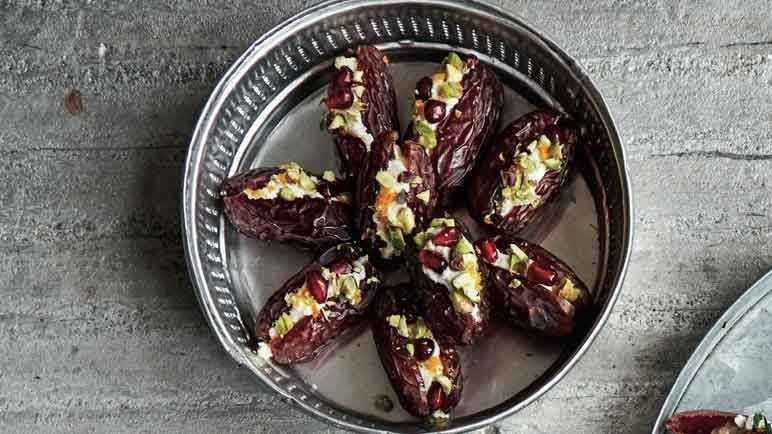
Among the many types of dates, kurma ajwa is the variety named in a well-known hadith: “He who eats seven ‘Ajwa dates every morning, will not be affected by poison or magic on the day he eats them” (narrated by Saʿd, Sahih al-Bukhari 5445, Book 70, Hadith 74). That is the whole of the hadith’s wording; it does not speak of illness in general, and it is not a medical claim. Today, Ajwa dates remain one of the most sought-after varieties, often bought as a Sunnah food.
The role of dates during Ramadan
Ramadan, the holiest month in Islam, is a time of fasting, reflection, and spiritual renewal. Dates hold a central place in this sacred month.
At sunset, Muslims around the world break their fast with dates, following the Prophet’s example. This moment — known as Iftar — is one of the most cherished experiences of Ramadan.
The significance lies not only in the act itself but in what it represents:
- Gratitude for Allah’s sustenance.
- Unity among Muslims worldwide.
- Reflection on simplicity and humility.
The sweetness of the date marks the transition from hunger to fulfillment, symbolizing the sweetness of faith after patience and devotion.
Dates also suit the moment in a plain, practical way. Per 100 g they have about 277 to 282 kcal, 63 to 66 g of natural sugars and 6.7 to 8 g of fibre (USDA FoodData Central, Medjool and Deglet Noor), so a few dates are a quick, gentle start before the main meal.
Dates in other Islamic traditions and ceremonies
Birth and the Sunnah of Tahneek

In Islamic tradition, when a baby is born, a small piece of softened date is rubbed on the newborn’s palate — a ritual known as Tahneek.
The Prophet ﷺ did this himself. Abu Musa reported: “A son was born to me and I took him to the Prophet (ﷺ) who named him Ibrahim, did Tahnik for him with a date, invoked Allah to bless him and returned him to me” (Sahih al-Bukhari 5467, Book 71, Hadith 1). Many families see it as beginning a child’s life with sweetness and a prayer, in the belief that every life should begin with nourishment and faith.
Marriage and festive occasions
Dates are also served during weddings, Eid celebrations, and religious gatherings, symbolizing joy, prosperity, and gratitude. Offering dates to guests represents hospitality and goodwill, a tradition deeply rooted in Islamic etiquette.
Funerals and acts of charity
In some communities, dates are given out as charity on behalf of someone who has died. The practice of giving on behalf of the dead goes back to a hadith in which a man asked whether he could give charity for his late mother, and the Prophet ﷺ answered, “Yes! Give in charity on her behalf” (Sahih al-Bukhari 2760, Book 55, Hadith 23).
Cultural symbolism of dates in the Muslim world
Beyond their religious role, dates have become a profound cultural emblem across Muslim societies. From Morocco to Malaysia, the fruit signifies generosity, community, and divine favor.
In Arab culture, offering dates to visitors is an age-old gesture of welcome and respect. In South and Southeast Asia, including Malaysia, Indonesia, and Pakistan, dates are integral to festive tables during Eid al-Fitr and Eid al-Adha.
Different varieties carry different cultural prestige — kurma medjool is prized for its large, luxurious size and rich flavor, often gifted during special occasions, while kurma mariami is cherished for its caramel sweetness and smooth texture. These varieties represent not just culinary taste but also social tradition and connection.
A symbol of unity across the Muslim ummah
Dates transcend geography, language, and ethnicity — serving as a universal symbol of unity among Muslims. During Ramadan, Muslims across the globe break their fast with the same fruit as sunset reaches each town, reinforcing a sense of shared faith and belonging.
Whether in a small village mosque or a grand city iftar, the presence of dates creates a spiritual link between communities. It reminds believers that Islam emphasizes simplicity, equality, and gratitude — values embodied in a humble fruit.
This unity through simplicity is one of the most beautiful aspects of Islamic culture, showing how a single tradition can connect hearts worldwide.
The symbolism of dates beyond food
Muslims read several meanings into the date. Eating it the way the Prophet ﷺ did is a way of following the Sunnah. It is a plain, whole food named in the Qur’an, and the palm grows where few other plants can, which many compare to faith that holds up under trial. Even part of a date counts as charity, as the hadith above says. Breaking the fast on dates together at iftar is a large part of what makes Ramadan feel shared, and eating one is a small moment to thank Allah for what He provides.
The economic and ethical role of dates in Muslim societies
The spiritual significance of dates also translates into their economic and ethical importance. Many Muslim-majority countries, such as Saudi Arabia, Egypt, Iran, and Tunisia, rely on date cultivation as a key agricultural activity.
Farmers and traders who deal in dates often view their work as part of a divinely blessed livelihood, rooted in centuries of tradition. The trade in dates — whether local or international — sustains families and communities, linking faith with ethical commerce.
Today Ajwa, Medjool and Mariami are sold far from where they grow, Malaysia included.
Dates in modern Islamic life
Even in the modern age, dates remain central to Islamic life — though their presence has evolved with technology and globalization. Today, dates are available worldwide, often sold online and delivered across continents, allowing Muslims everywhere to uphold their traditions.
Many shoppers also buy dates as an everyday snack with fibre and natural sugar in place of sweets. That mix of faith and everyday food makes dates relevant not just in religion but in modern lifestyles centered on mindfulness and balance.
Furthermore, contemporary Muslim households often incorporate a range of date-based products — syrups, spreads, and smoothies — blending tradition with innovation.
Conclusion
Dates run through Muslim life in concrete ways. They break the fast at iftar, as the Prophet ﷺ did. A softened piece is used for Tahneek when a baby is born. Even part of a date counts as charity, and in some communities dates are given out on behalf of someone who has died.
The fruit itself is simple. What gives it weight is the practice built around it, carried from the Prophet’s time to Malaysian homes today.
References
- Qur’an, Surah Maryam 19:23, 19:25, 19:26; Surah Ar-Rahman 55:68 (The Clear Quran translation, quran.com).
- Sunan Abi Dawud 2356 (Book 14, Hadith 44), breaking the fast with dates.
- Sahih al-Bukhari 1417 (Book 24, Hadith 21), half a date in charity.
- Sahih al-Bukhari 5445 (Book 70, Hadith 74), seven Ajwa dates.
- Sahih al-Bukhari 5467 (Book 71, Hadith 1), Tahnik with a date.
- Sahih al-Bukhari 2760 (Book 55, Hadith 23), charity on behalf of the dead.
- USDA FoodData Central: Dates, medjool (168191); Dates, deglet noor (171726).